The Broken-Concept Layout: A Better Way to Design Open Spaces
If you’ve ever felt torn between the light-filled airiness of an open-concept floor plan, or the purposeful comfort and privacy of a closed-concept layout, you’re in luck! Broken-concept floor plans are the creative hybrid you’ve been waiting for, and one that designers are loving for its versatile and functional intrigue too. While open-concepts opt for unobstructed views of a central living space, and closed-concepts have walls and doors to separate that space into private rooms, the less traditional broken-concept layout uses a variety of other features like furniture, rugs, plants, or architectural design elements to define different “rooms” for your space. Whether you’re looking to bring a more personal sense of functionality to a smaller studio apartment, or create more purpose-driven design diversity for a larger space, the broken-concept layout is an intentional way to make your aesthetic work well for you. Here are a few of our favorite ways to incorporate elements of this floor plan into your own home:


Position furniture to give the illusion of independent spaces
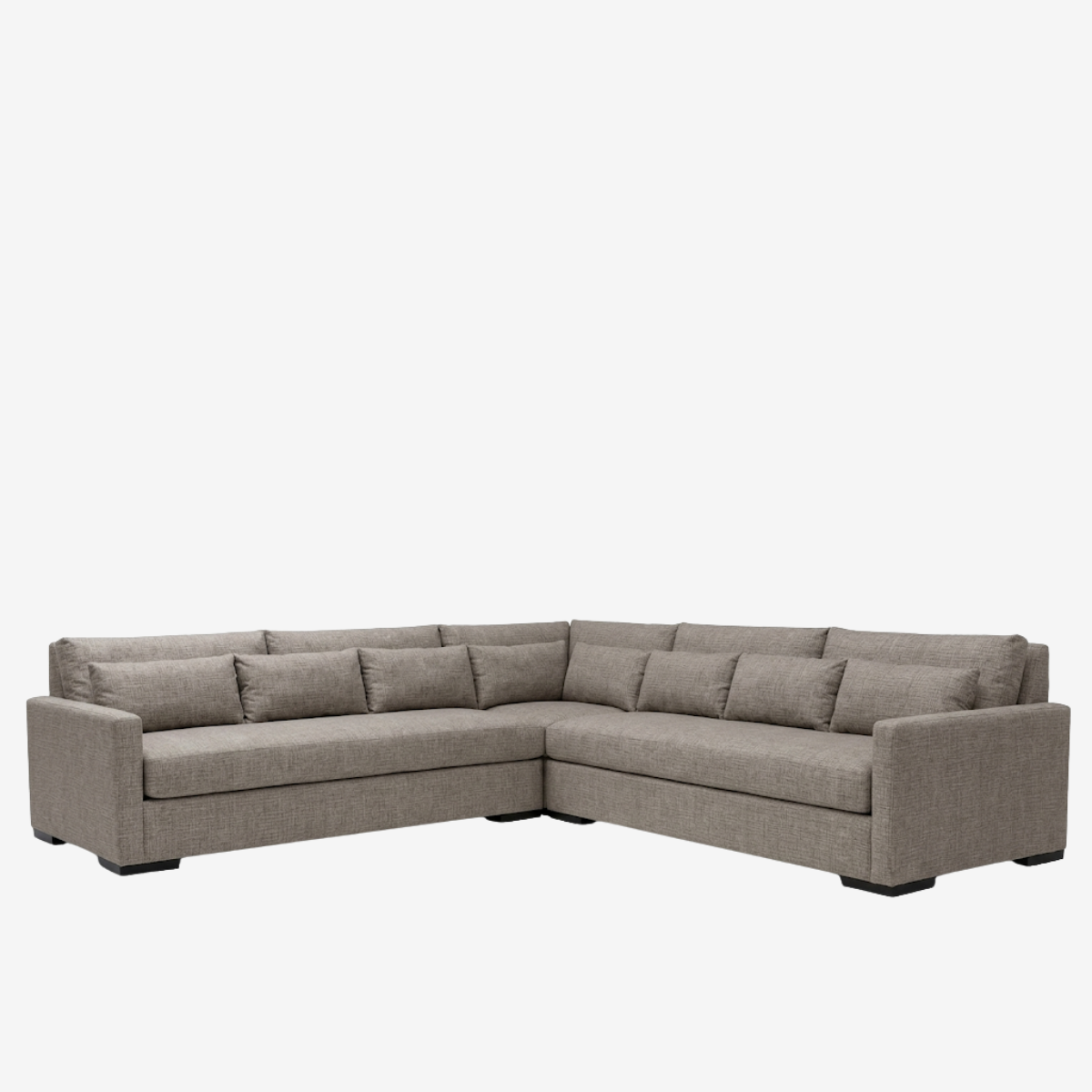
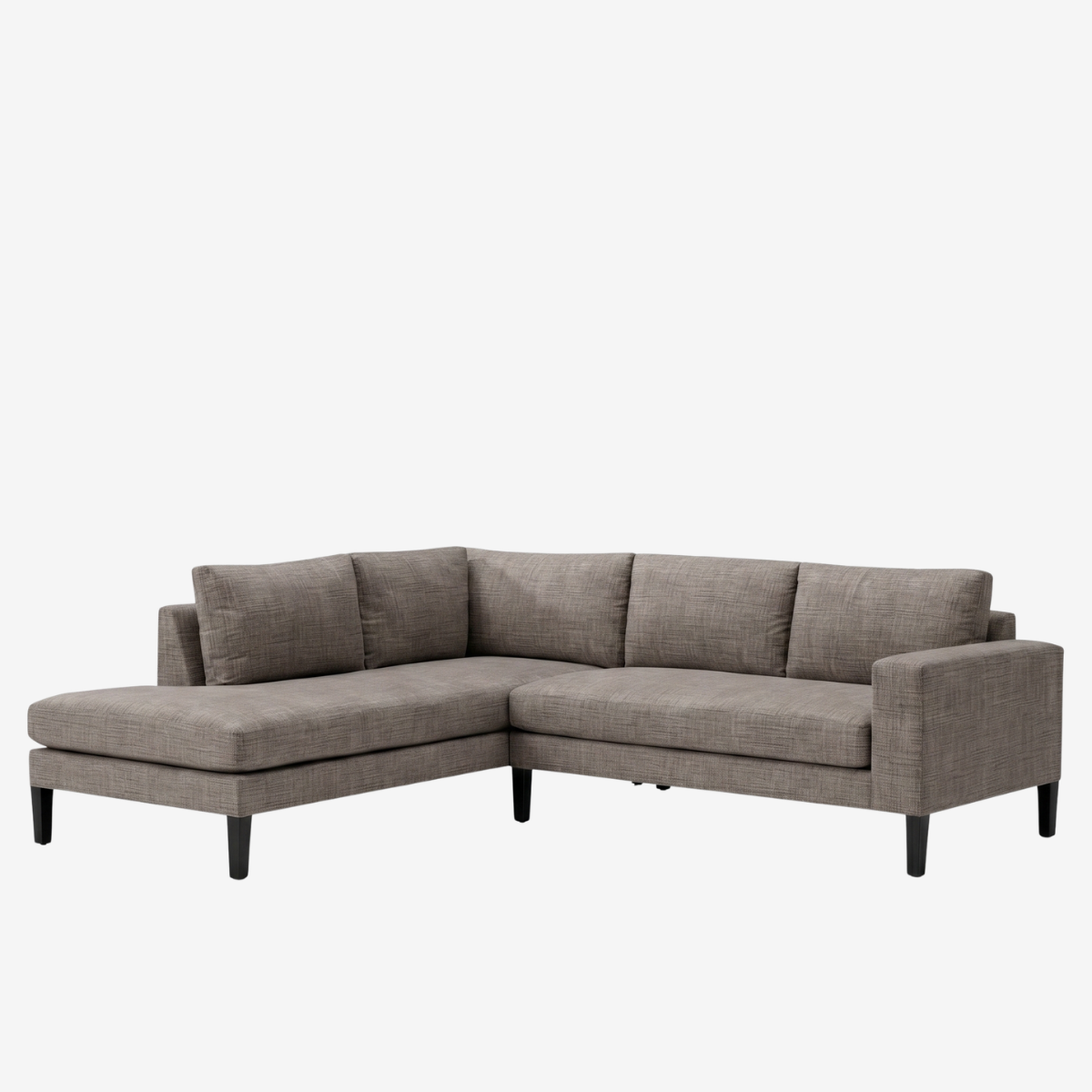
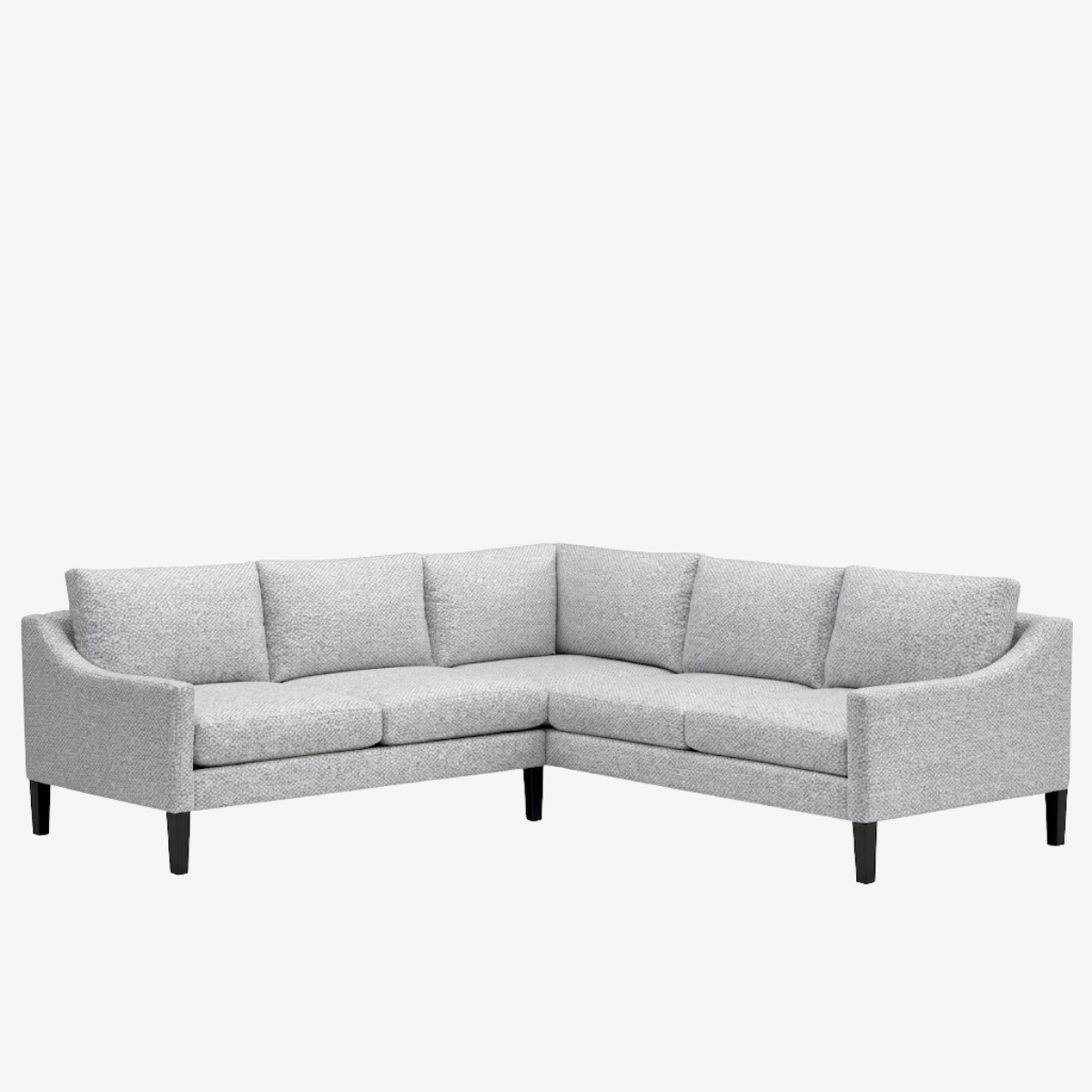
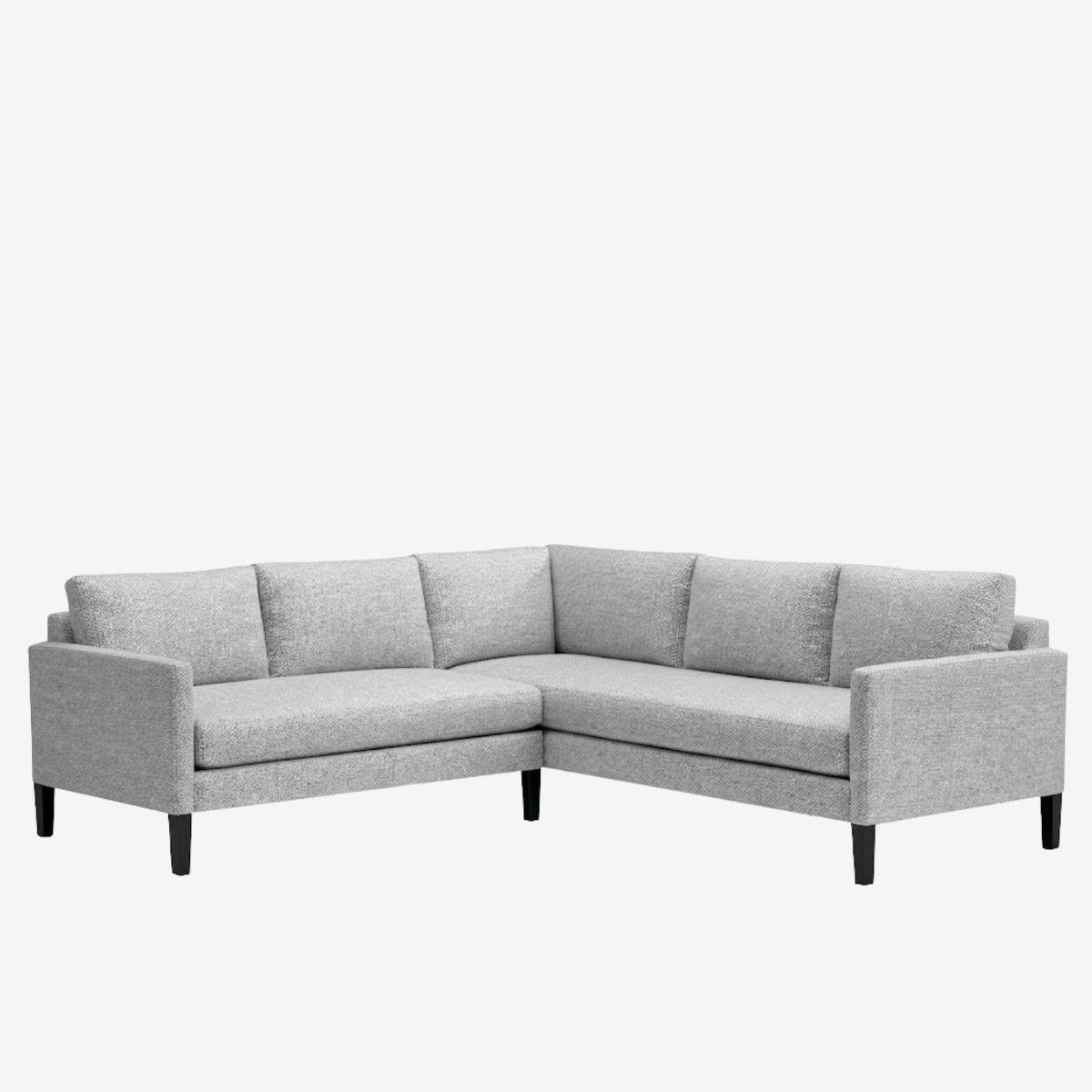
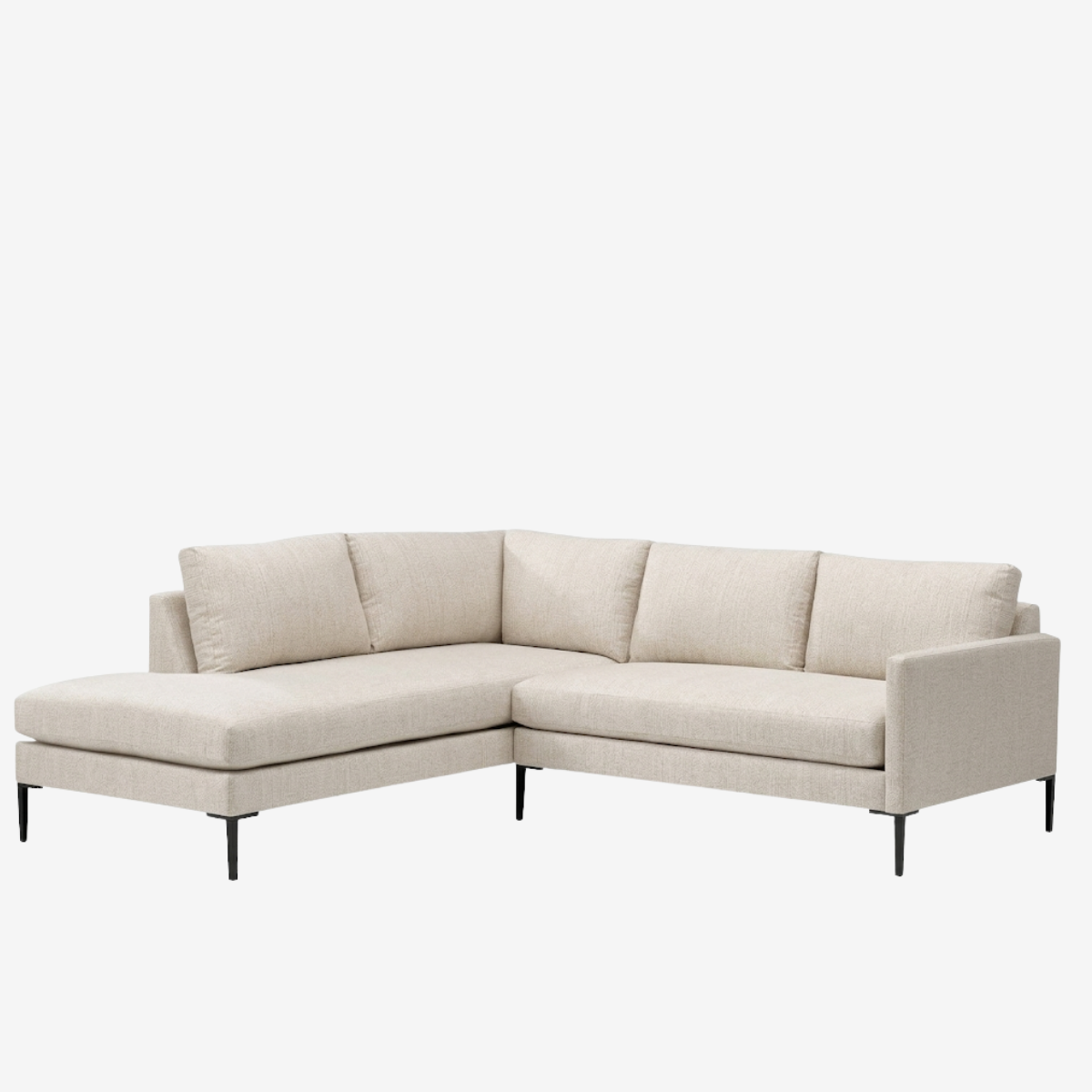
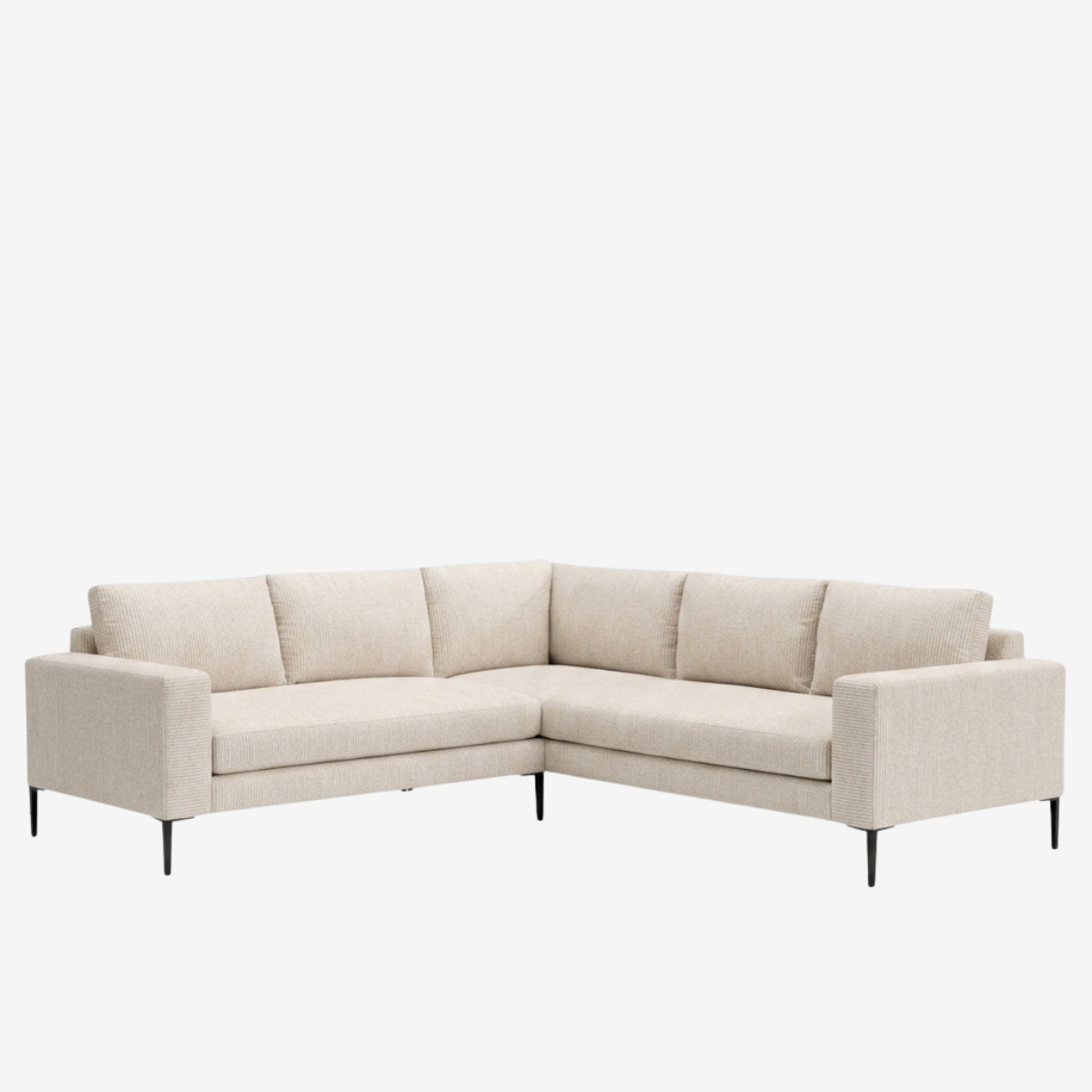
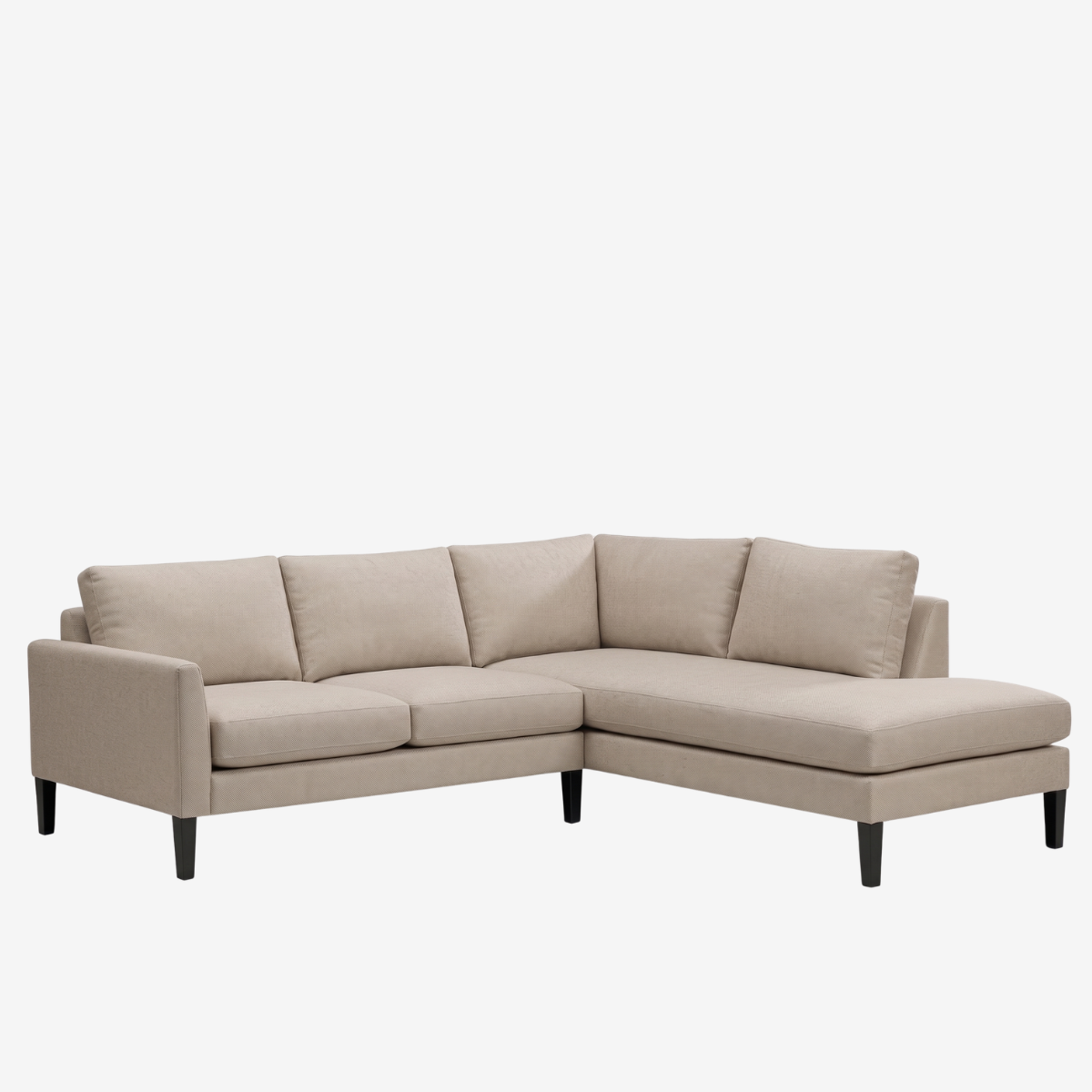
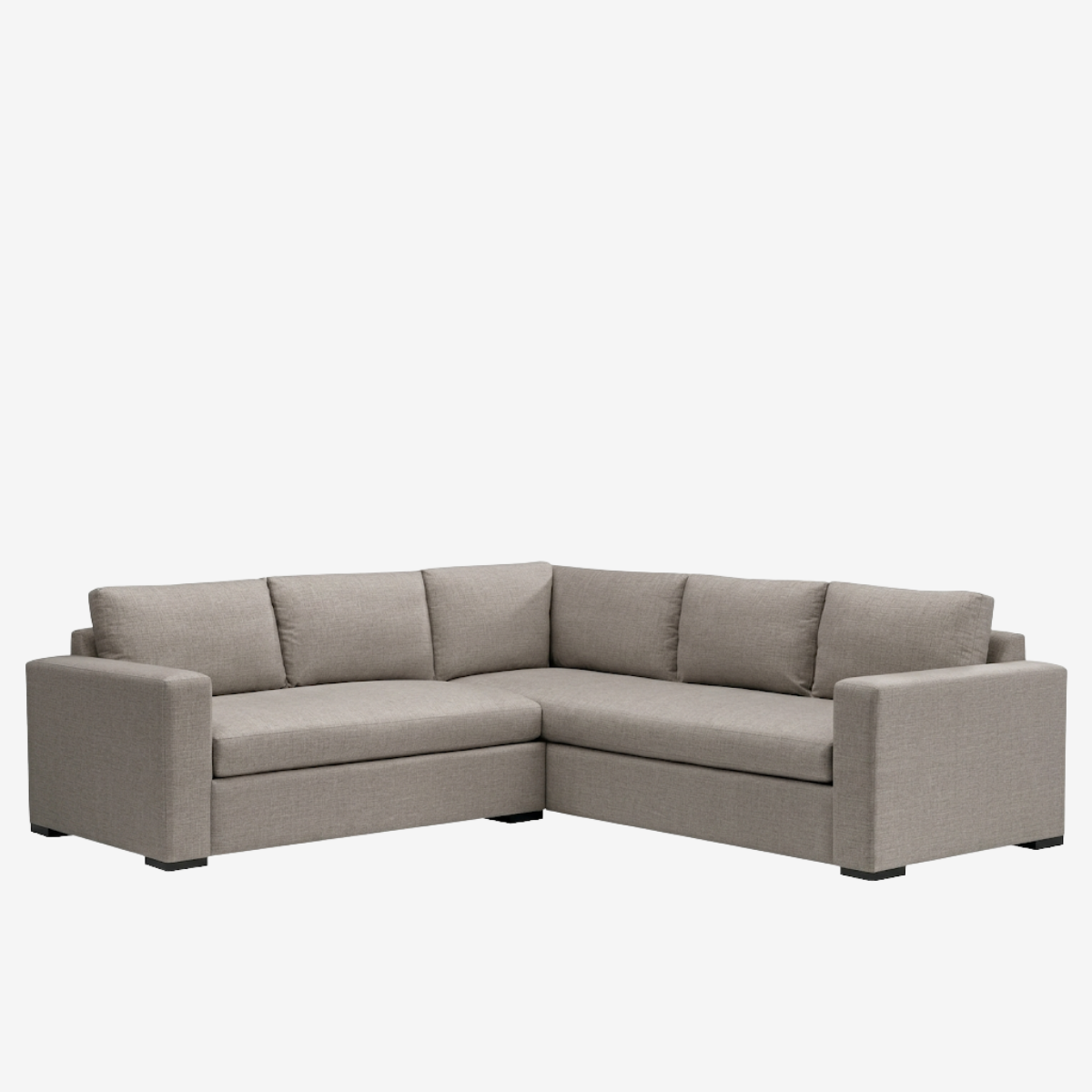
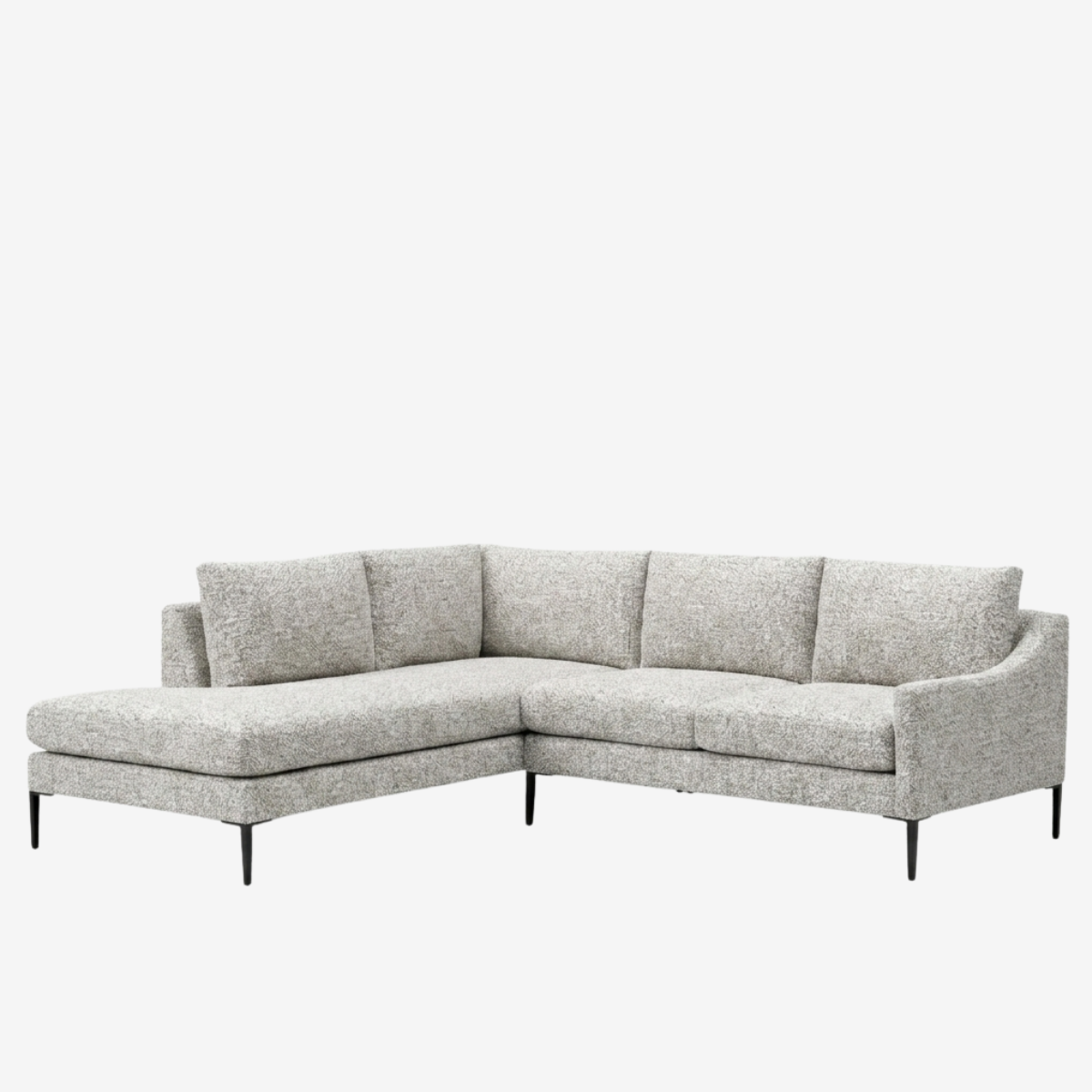
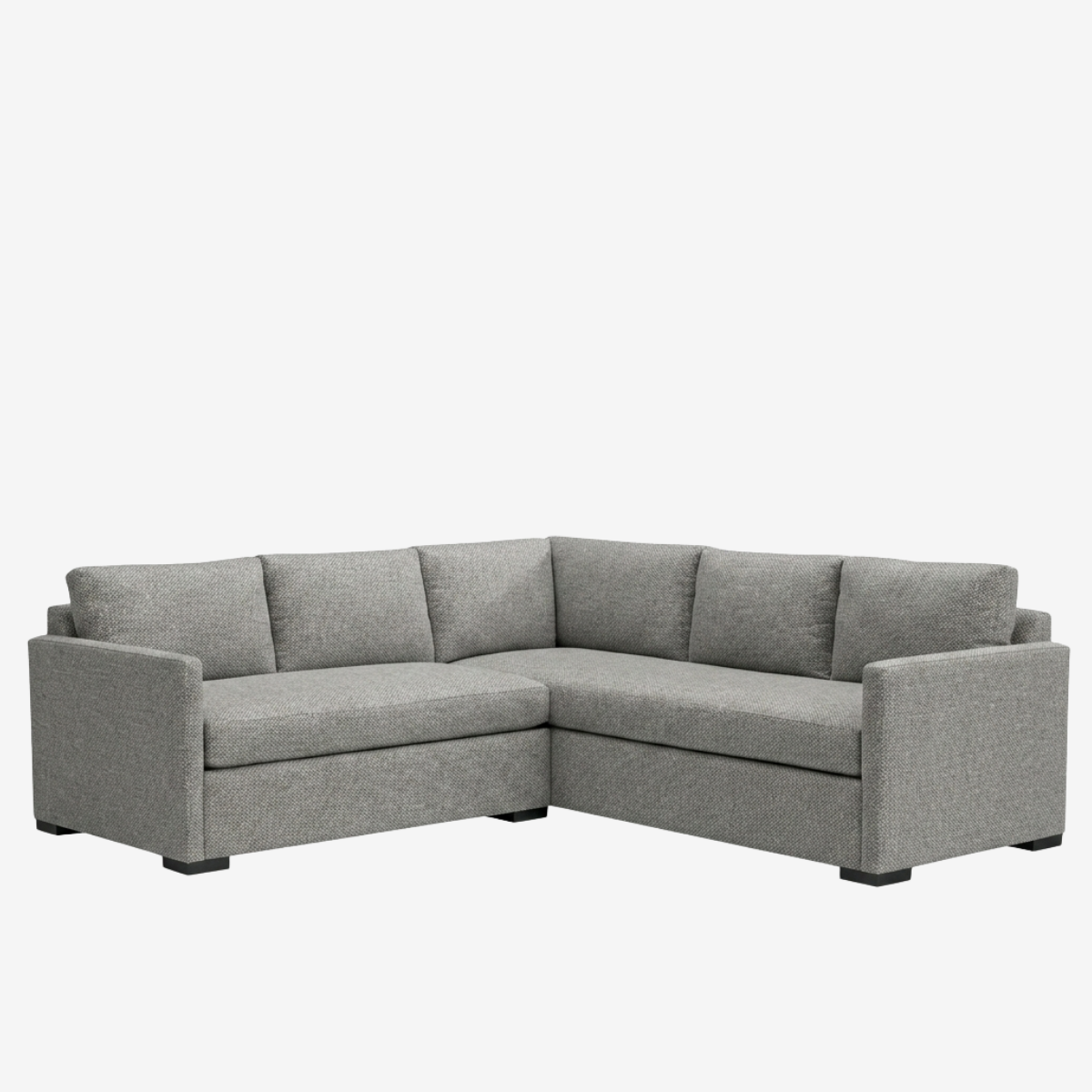
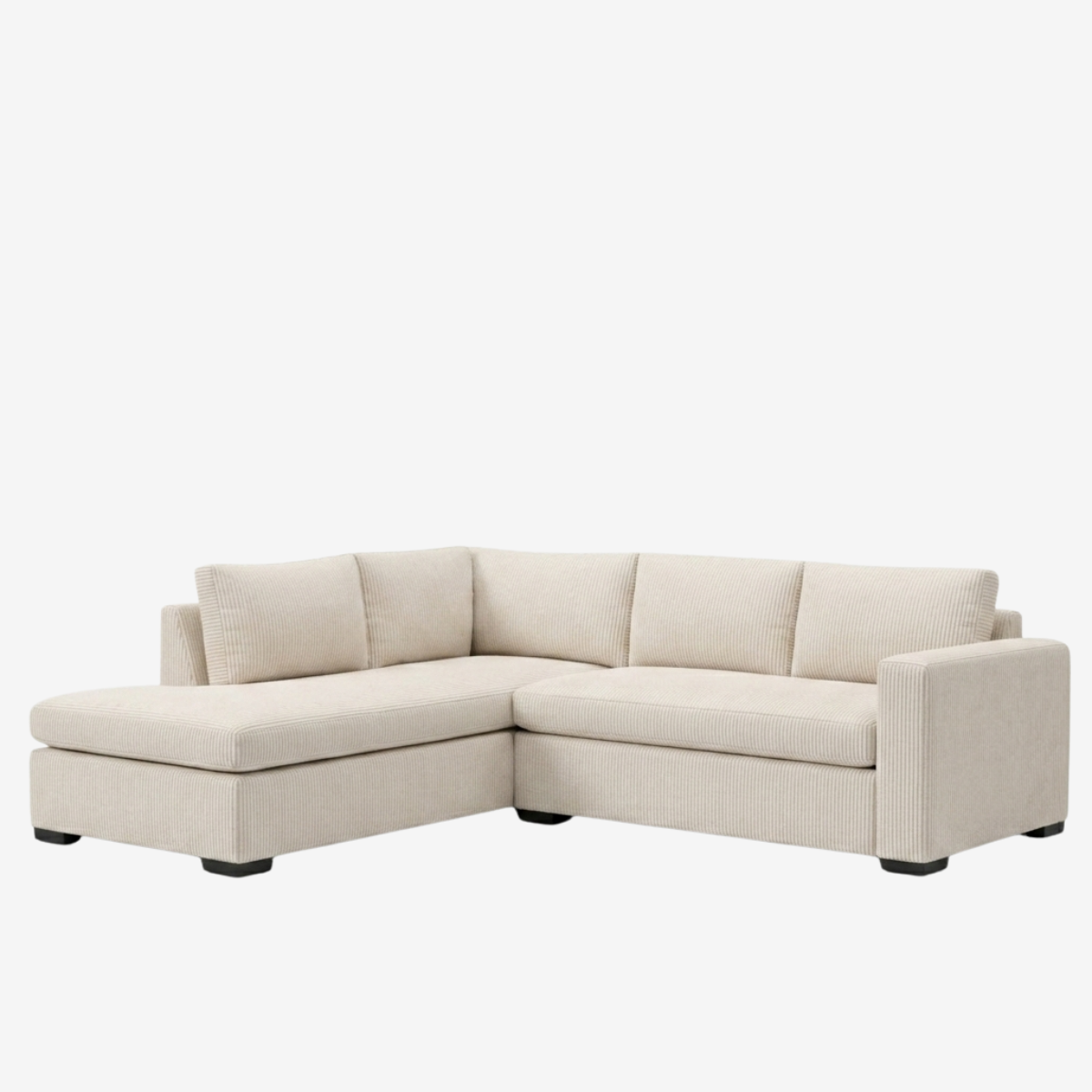
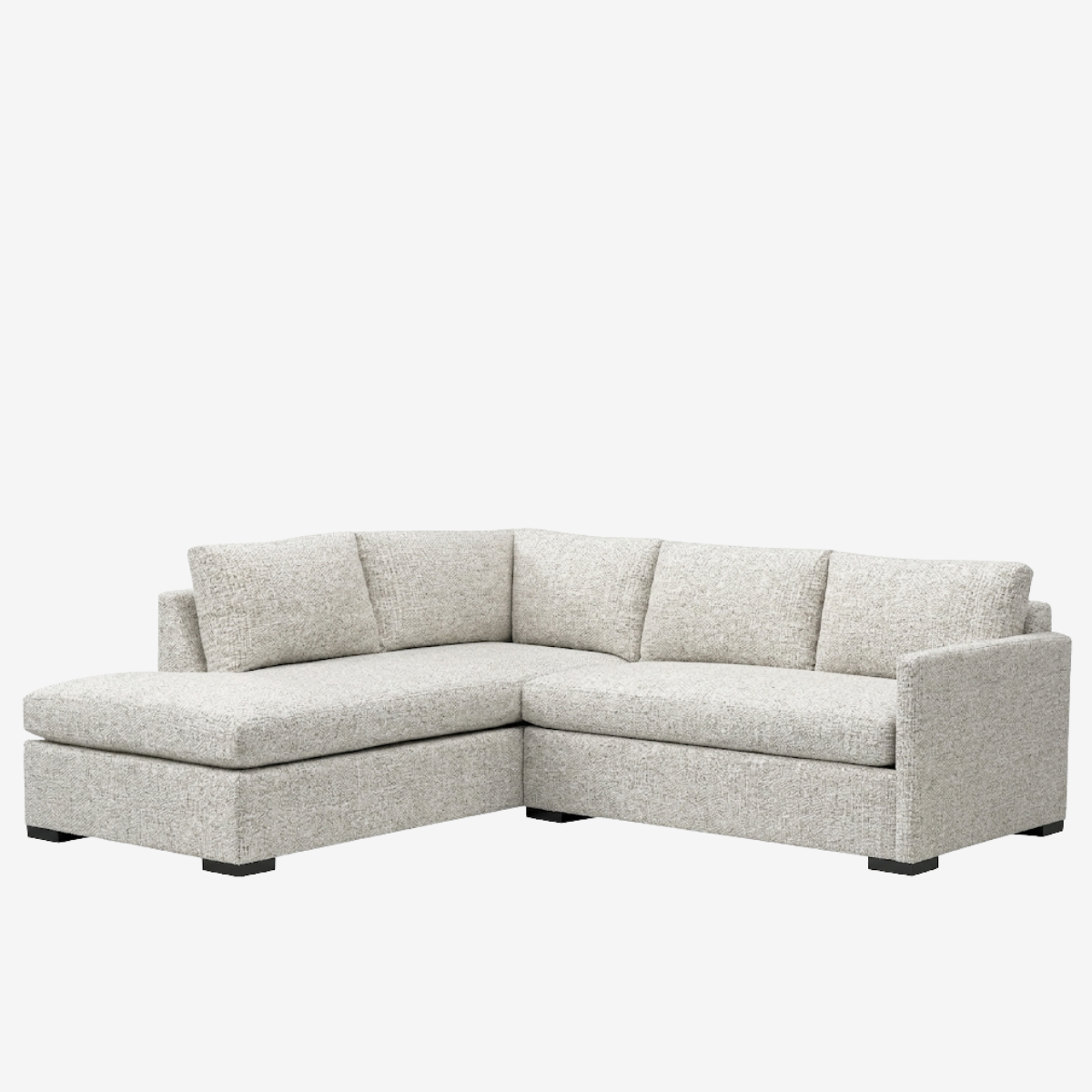
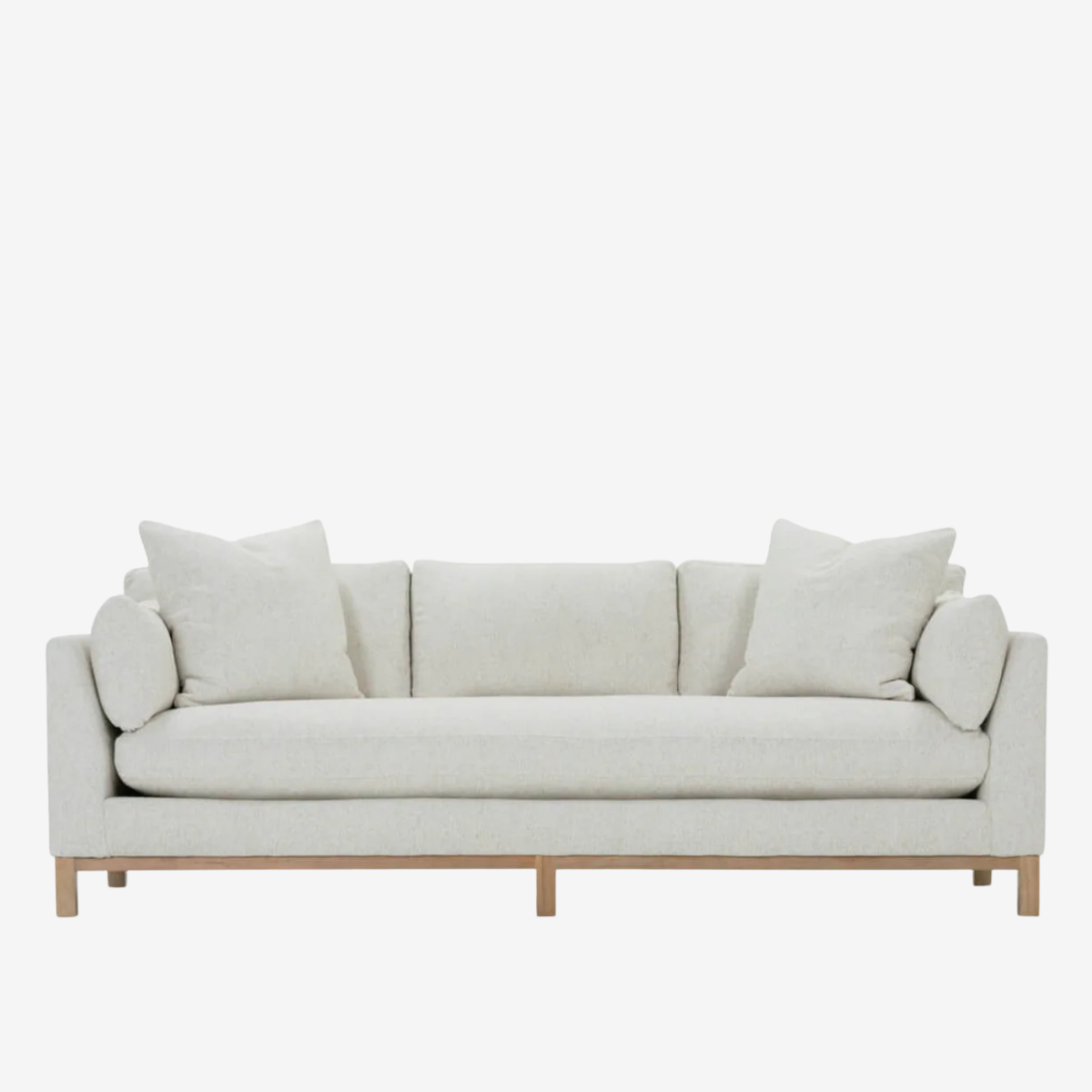
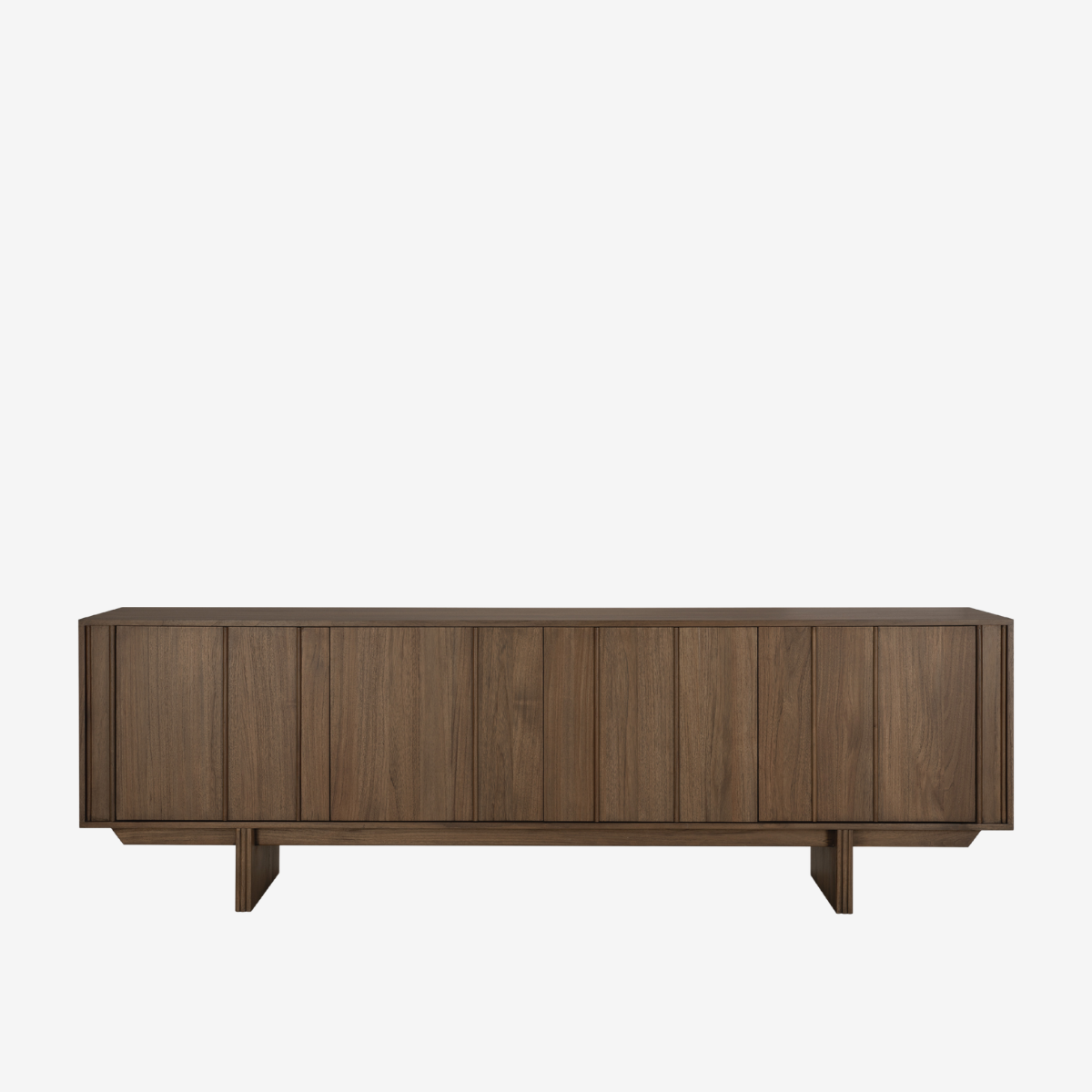
Using furniture placement to break up a living space into smaller, more purposeful areas is an easy way to make a wide open room feel multifunctional and compelling. It also helps maintain a more expansive sense of continuity, since you’re not using walls or doors that could block natural light sources, or limit the field of vision. Simply place furniture back-to-back, where one side faces a “living room” area, and the other suggests a home office, or dining area, for example. Sofas are particularly useful for achieving this effect, and you’ll just want to be sure that each new “room” has its own focal point– like a window, fireplace, or coffee table– to make it feel like a definitive space with its own function and vibe. You might also try “floating your sofa” by placing it in the middle of the room to instantly break up a larger area, and allow for more partitioning possibilities. In this case, you’ll want to position a sideboard or console along the back side of the sofa too, which makes the aesthetic feel less exposed, and more intentional. Then, you can arrange taller decor pieces like a table lamp or plant on top of your console or sideboard; this can help to further break up the visual of your newly created spaces, while also drawing the eye upward for an added sense of height.


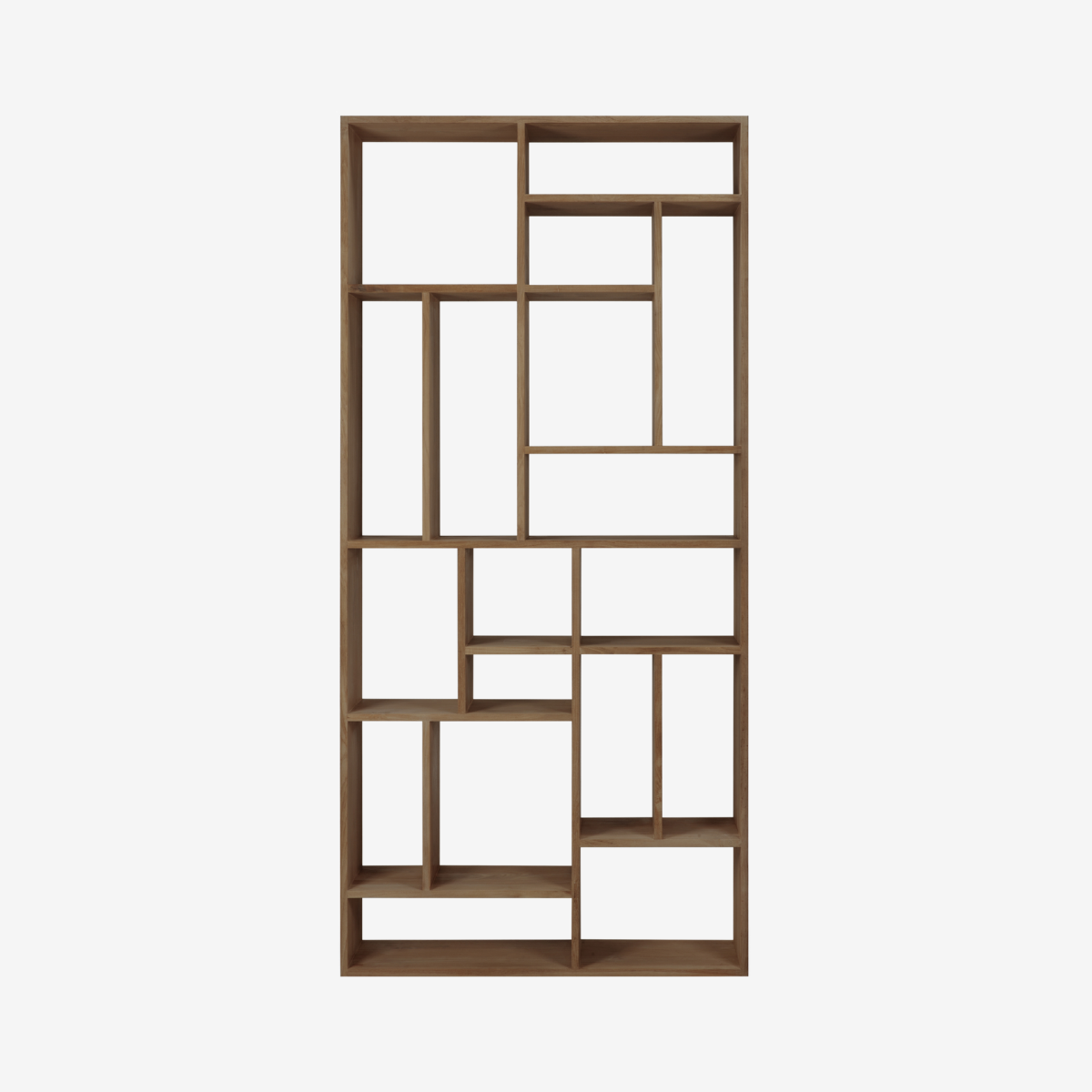
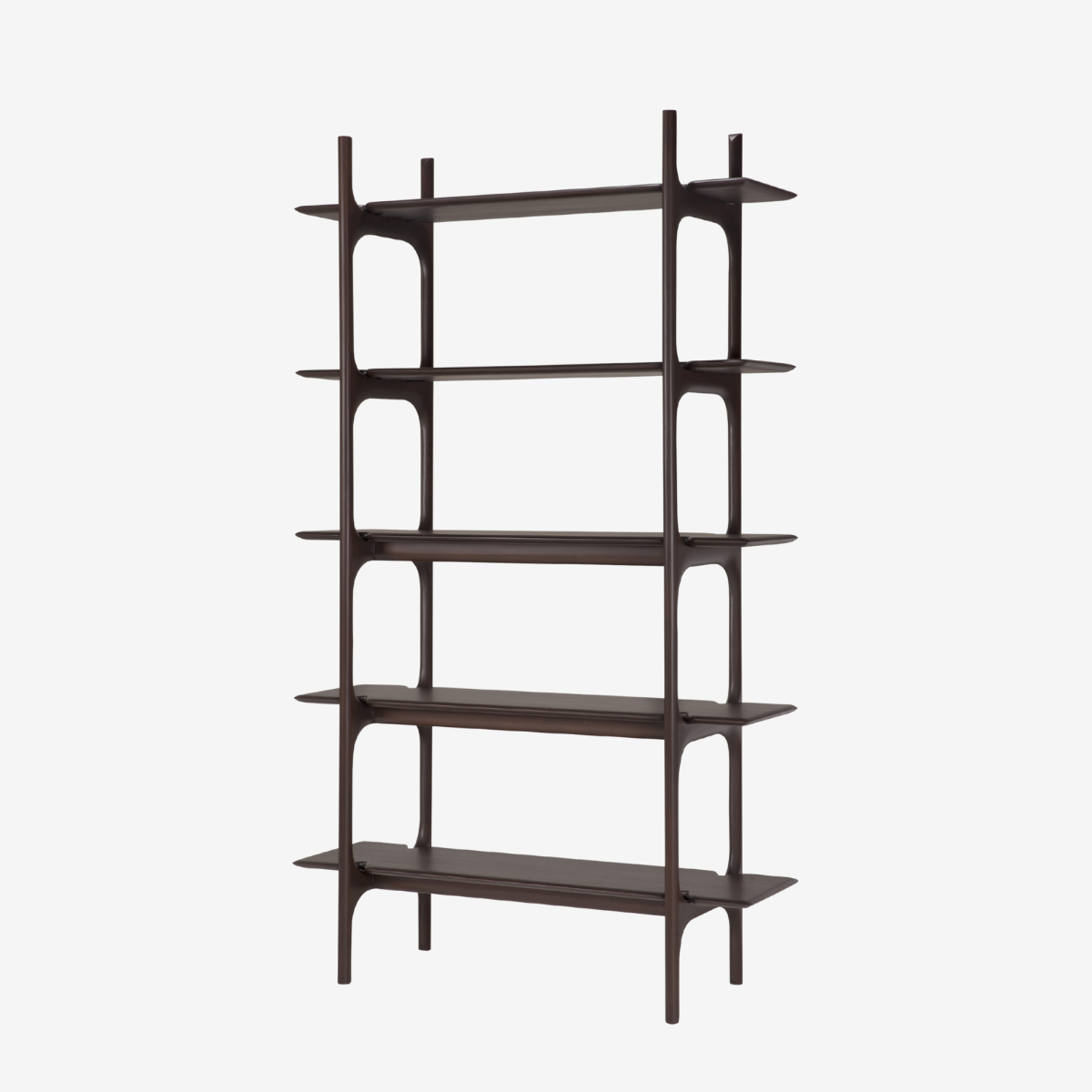
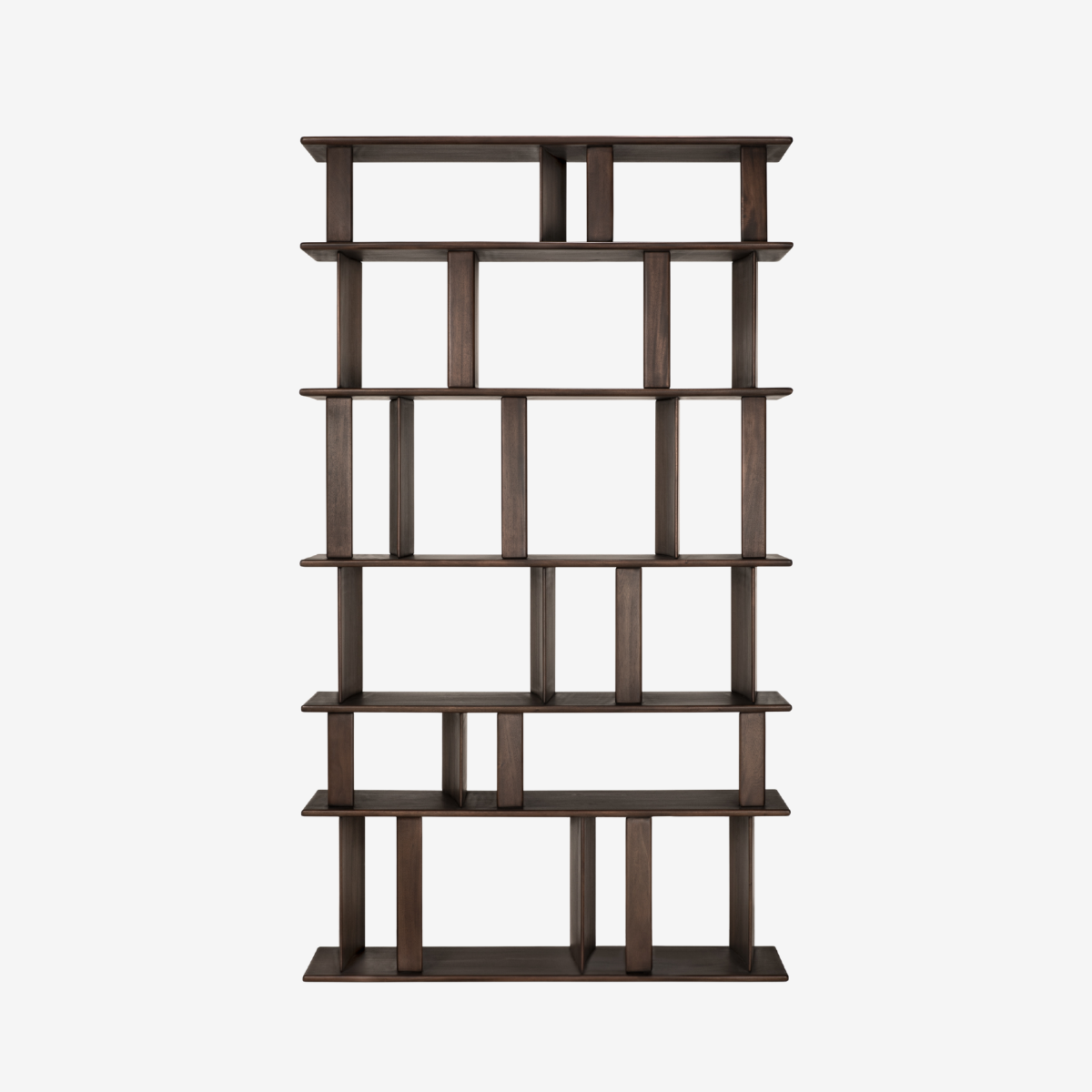
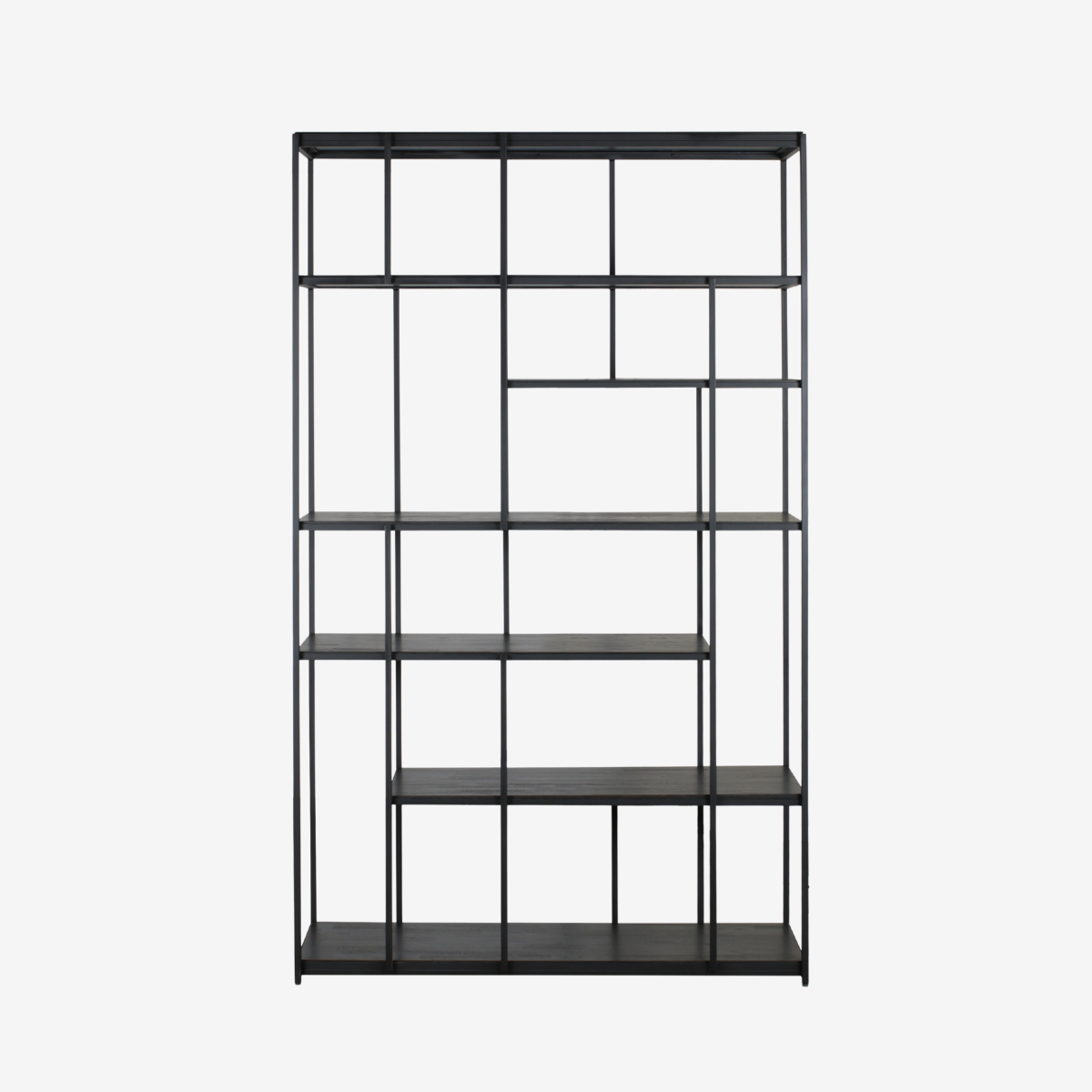
Create separate and purposeful rooms with open shelving
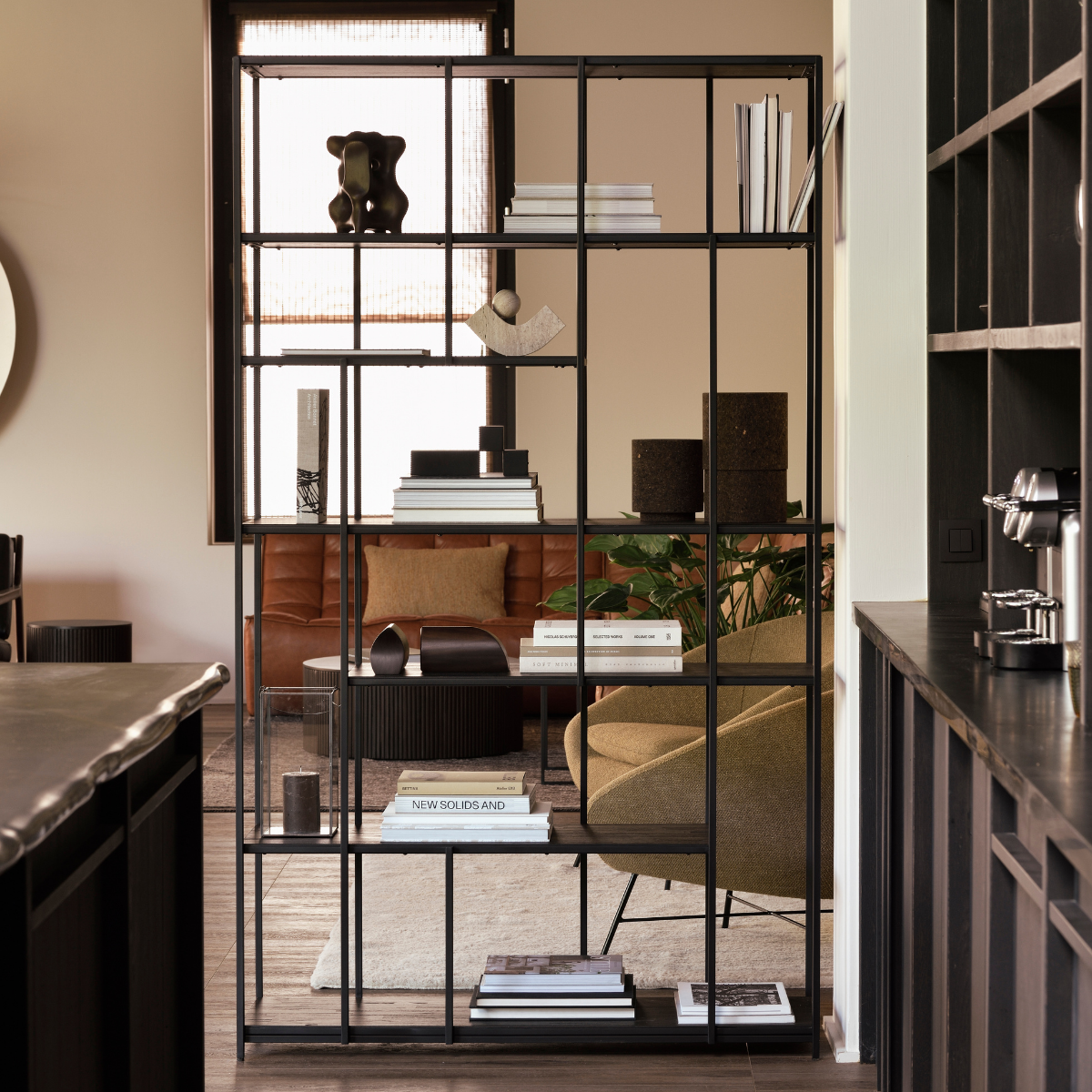
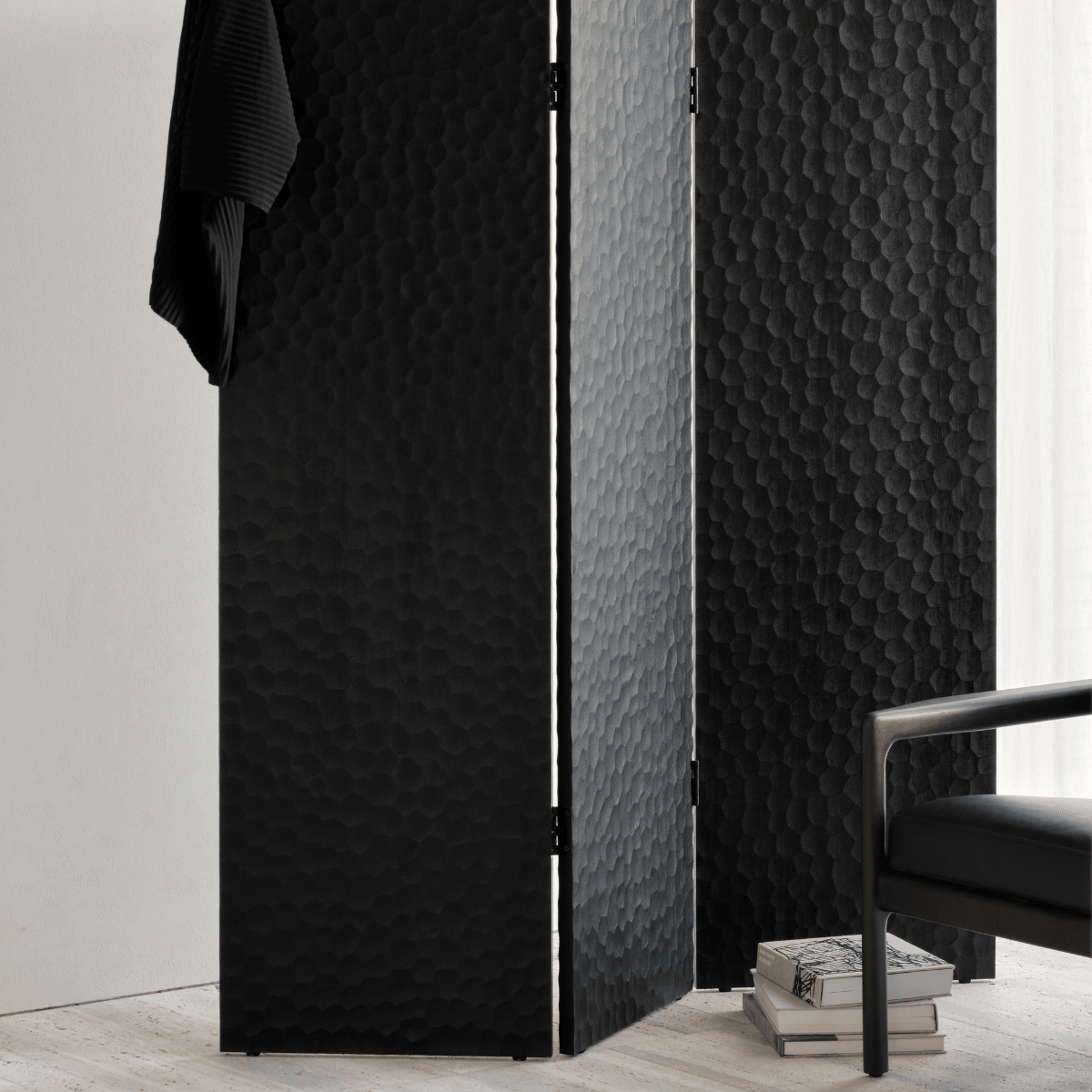
You don’t need walls and doors to create distinctly separate and uniquely purposeful areas within a larger space. In fact, a tall bookshelf, folded room divider, or open shelving unit can do wonders for defining a bedroom, office, or living room. By acting as a semi-transparent boundary that can also store thoughtful decor, books, or useful home goods, bookshelves are especially effective broken-concept pieces that don’t feel bulky or cluttered in your space. You should always choose sturdy and expertly-crafted, or heirloom quality furniture pieces when using these larger units as partitions, however; poor quality shelves and racks are more likely to fall over if they’re not resting against a wall. Even bookshelves and open units that are smaller or narrower in size can still make a space feel visually divided, so don’t be afraid to incorporate them in more compact homes and apartments too.

Use rugs to define different areas with distinct style
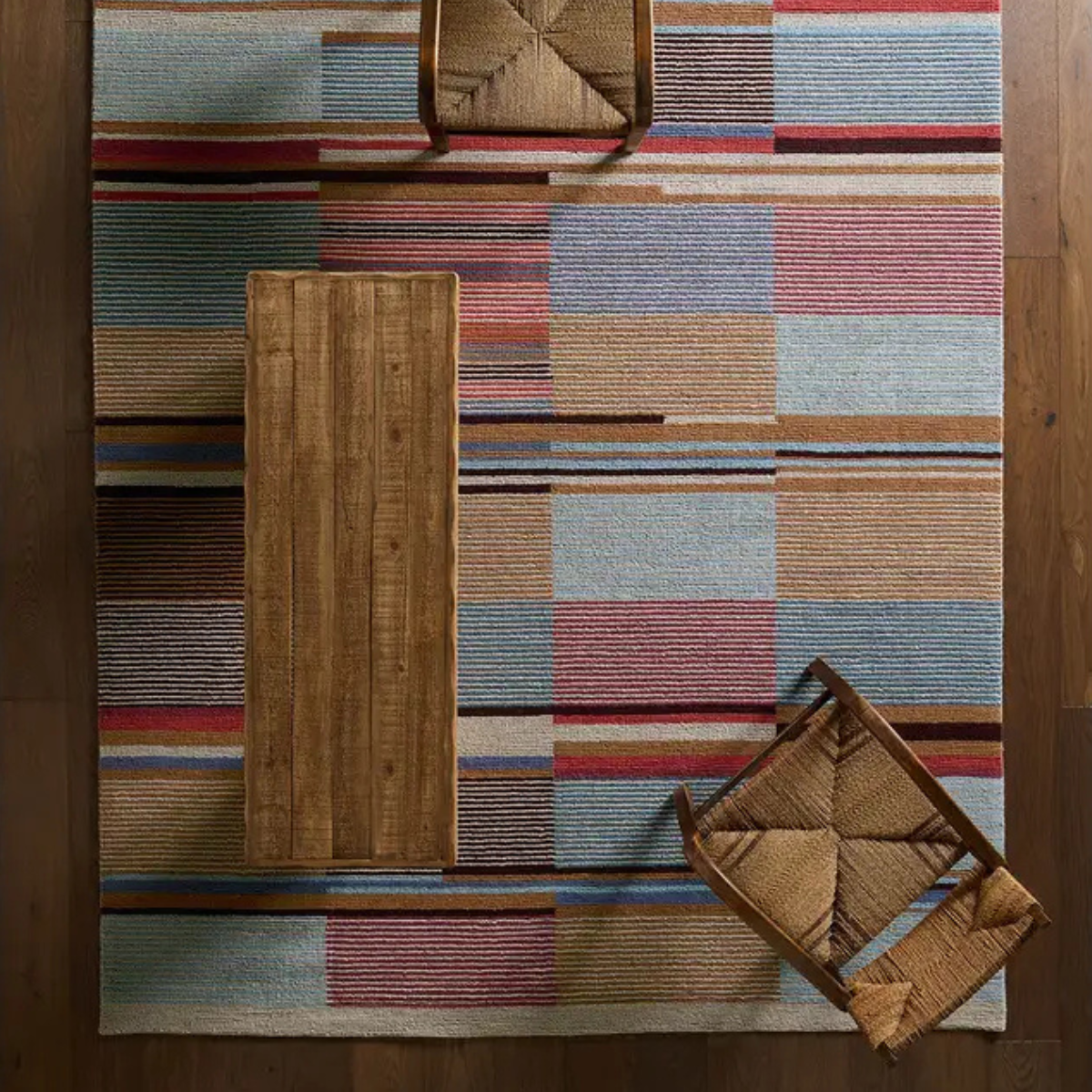
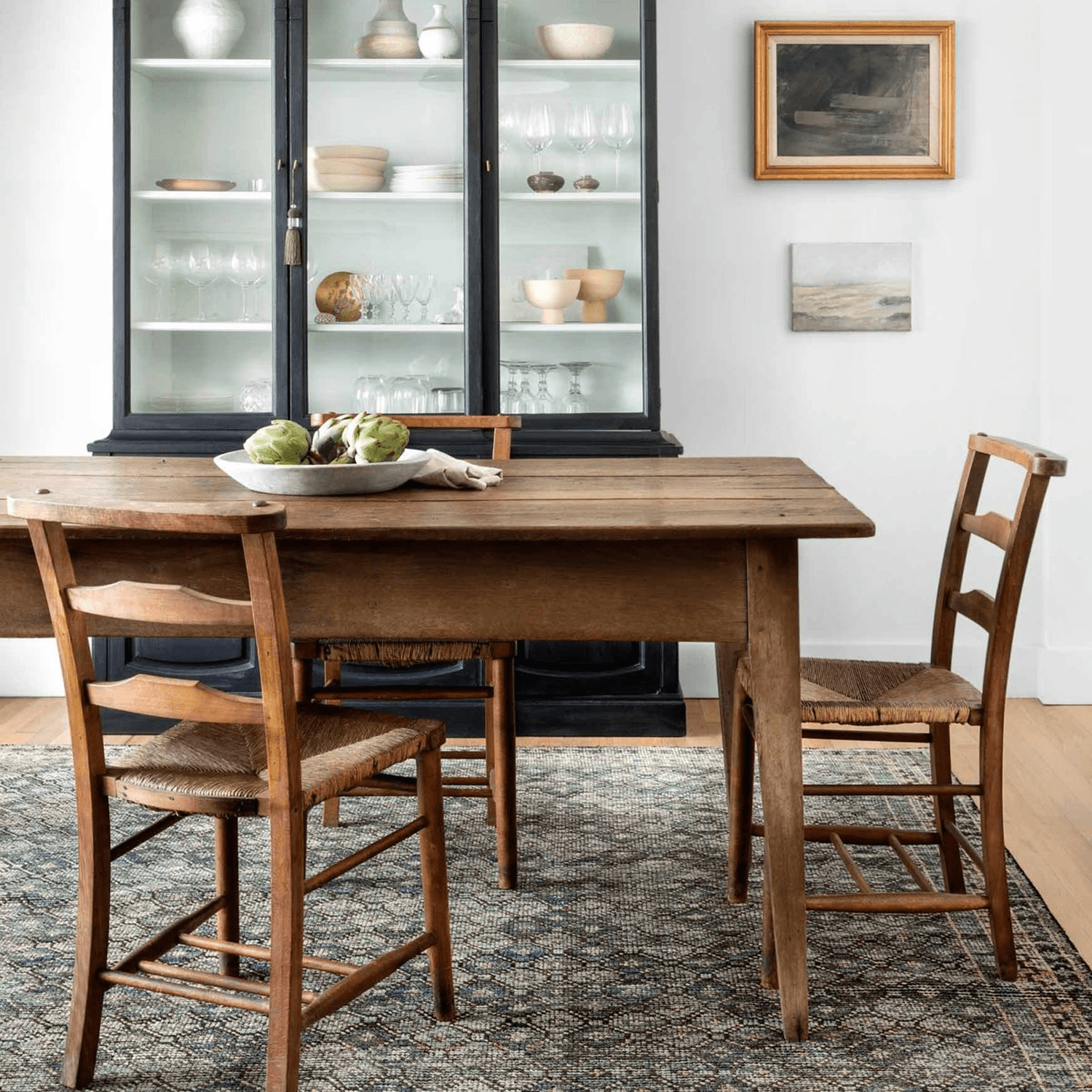
Adding a beautifully handcrafted or textured rug is another way to achieve the broken-concept effect in your home. A large rug that’s sized appropriately to contain the primary furniture pieces of a new “room” in your space can not only make it feel contained and separate, but cozy and inviting too. You can also use different rugs to define the different functions within one room; for example, a rug under your dining area, and another underneath your lounging area or living room. This is especially important if you’re planning to arrange back-to-back sofas too, since different styles of rug can help suggest different rooms, even when there isn’t a wall between them. Feel free to experiment with rug patterns and textures for style variety, or lean into a common color palette that complements the paint or wallpaper in a specific corner or nook. This can further enhance a more clear-cut and intentional style aesthetic for that area that has the added benefit of being more sound-absorbent and soft to walk on too.



Broken-concept floor plans can be a wonderful way to bring more versatility and eye-catching appeal to your living spaces, and our team of expert designers is always happy to lend a hand too. If you’d like more personalized guidance for a specific home design or renovation project, feel free to book a complimentary consultation with us today.
Looking for more style tips, design trends, and all the latest workshop partner updates? Be sure to check out our Journal for weekly inspiration and seasonal offerings!