



How to Avoid Greenwashing When Buying Sustainable Furniture
Everyone claims to be sustainable these days. But not everyone is able to prove their claims. It’s easy for a business to “green-wash”, or claim to be green, eco-friendly, natural, or sustainable. The trouble is these terms don’t mean much when they aren’t easily verifiable. It’s become such an issue the FTC has made a point of keeping consumers informed with their Green Guides.
To really know if a company is making sustainable furniture, you have to ask for real information about their materials, sourcing, waste and manufacturing processes.
At Urban Natural Home we make a point of working with companies who value transparency of the materials that go into their product, where the product is made, who is making it, and the third party certifications each workshop has received to measure their various sustainability commitments.
Here’s a guide for buying sustainably made furniture and tips on how to spot the keywords that greenwashers like to use. We want to equip you with the tools necessary to spot and avoid vague claims, so you can confidently invest in furniture that is Made With What Matters.
5 Things to Look for in Sustainable Furniture


1. Ethically Sourced
Why does it matter to know where materials come from? Think of it like knowing where your food comes from. You can make an impact on the planet and your community through what you choose to buy and furnish your home with.
Doing so is not always as easy as it should be, but here at Urban Natural our focus is on presenting you with a wide range of ethically sourced furniture from brands who make sustainability a core part of their mission. In other words, we do some of the vetting so you don't have to while also being committed to helping you find pieces with the same skills we've gathered.
Here are some questions you should ask when looking at a piece you're considering making a permanent fixture in your home:
Where does the wood come from?
Knowing a product is made of real hardwood is just the first step– don't forget to ask where exactly the wood has come from. Unsustainable lumber harvesting is unfortunately a widespread and enduring problem that depletes some of the planet's richest and most important ecosystems of cornerstone species.
Is it responsibly harvested?
Once you know where a wood is coming from, it's important to know how it's being harvested. The how is just as important as the where.
Does the company explain its sourcing?
Remember, someone who is responsibly sourcing their materials will have nothing to hide and should be more than happy to tell you where their raw materials are coming from.
How far do the materials travel?
The sustainability of even the most responsibly sourced lumber can be negatively impacted by long or distant travel times. Far sources from the site of construction also means the producers will have less oversight of the environment and context in which their materials are being harvested.

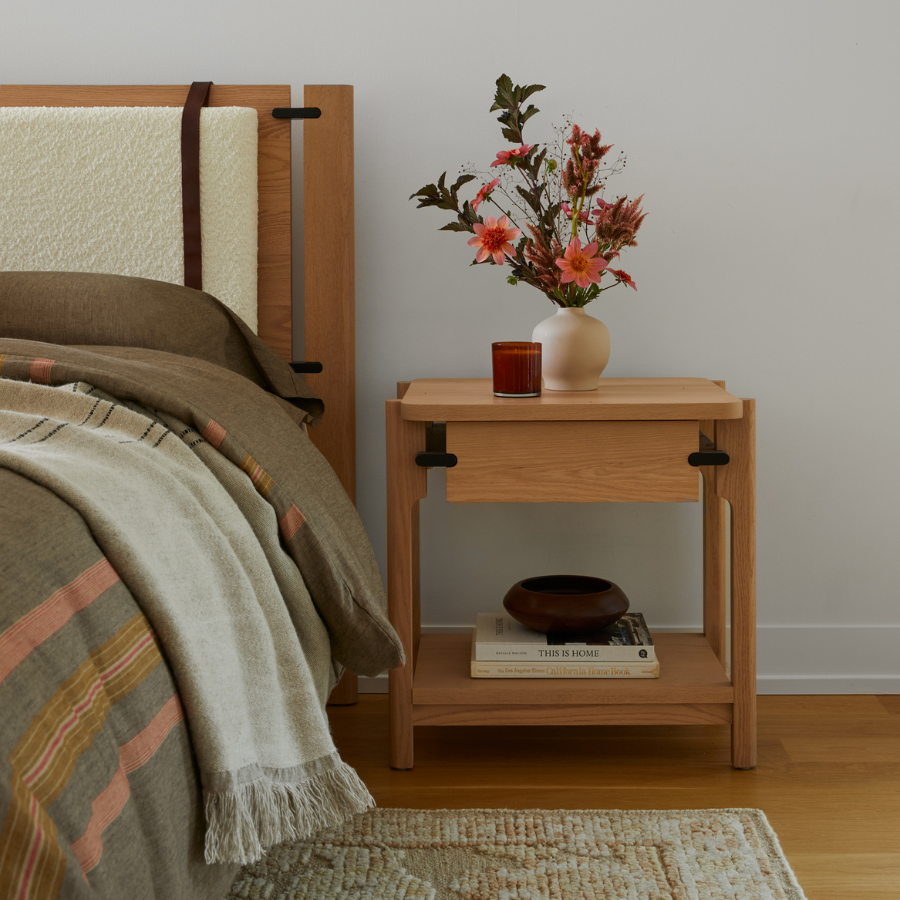
One of our partner workshops Copeland Furniture is a great example of a company that has dedicated itself to transparency in these issues. All of their pieces are made of solid hardwood sustainably harvested from American Northern Forest. Much of the company's lumber is sourced within 500 miles of its Vermont factory, where its stunning pieces are made by hand.
These are just some of the reasons we chose Copeland to manufacture our exclusive GRAYN collection of beds, side tables, night stands, and dressers.
With all of these questions in mind, it's easy to see how important specific sourcing information is when looking for sustainable furniture as opposed to immediately trusting anything marketing itself as eco-friendly.
2. Organic
What does it mean for a piece of furniture to be Organic? We know that word from our food consumption – or at least we think we do– but what should it properly represent when it comes to something like a sofa? Well, the first thing to look into is not just the fabric a piece might be upholstered in, but also what's inside.
Here are some important questions to ask when looking at a piece that markets itself as organic:
Where does the wood come from?
Knowing a product is made of real hardwood is just the first step– don't forget to ask where exactly the wood has come from. Unsustainable lumber harvesting is unfortunately a widespread and enduring problem that depletes some of the planet's richest and most important ecosystems of cornerstone species.
Is it responsibly harvested?
Once you know where a wood is coming from, it's important to know how it's being harvested. The how is just as important as the where.
Does the company explain its sourcing?
Remember, someone who is responsibly sourcing their materials will have nothing to hide and should be more than happy to tell you where their raw materials are coming from.
How far do the materials travel?
The sustainability of even the most responsibly sourced lumber can be negatively impacted by long or distant travel times. Far sources from the site of construction also means the producers will have less oversight of the environment and context in which their materials are being harvested.

Cisco Home
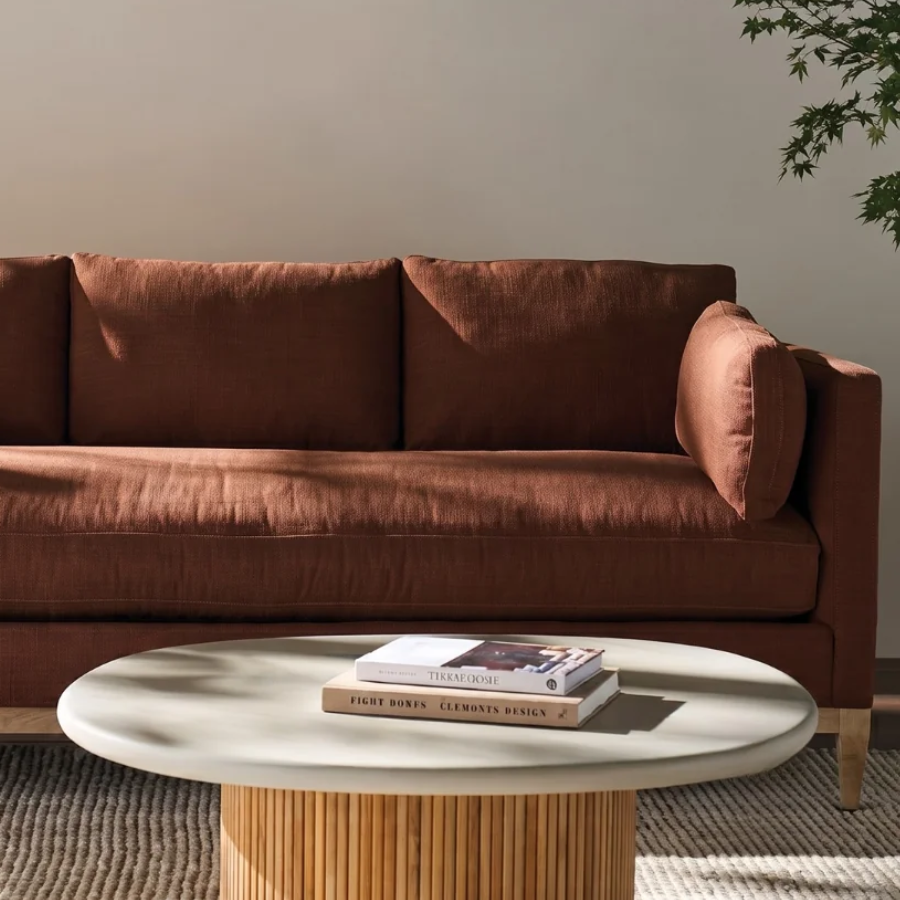
One standout example of organic transparency is Cisco Home. Cisco home is one of the few furniture makers we carry that offer an organic upholstery option. They’ve taken things a step further with their Inside Green program, where pieces can be upgraded to be entirely built using FSC-certified wood with upholstery options like organic latex and organic cotton, as well as sustainably sourced jute, hemp, and wool.
Made in High Point, North Carolina, Cisco has achieved the remarkable win-win of responsibly producing pieces of surpassing character and charm that will last a lifetime while never going out of style.
3. Handcrafted
One of the benefits of pursuing responsibly sourced and manufactured furniture is the resulting piece is one that is built to last– think of it this way: good in leads to good out.
When something is handcrafted as opposed to mass produced, it means it has been designed and assembled by skilled craftspeople, just like it used to be. The benefit of skilled craftsmanship is a maker who deeply understands how important durable materials and quality construction are to a piece's lifespan. These are pieces built for long-term use and designed to last for years. This also means that such brands will often also make a commitment to repair their pieces where applicable.
Cisco Home and Copeland are two standout examples of these principles with their focus on handcrafted pieces made in USA by skilled craftspeople. They know all too well that furniture that lasts longer can reduce the cycle of replacing and disposing of furniture.
3. Sustainable
Materials and process are important, but so is the manufacturing process by which a company produces its furniture. When seeking out truly green furniture options, don't forget to look into a company's energy use, waste reduction, and recycling programs. Manufacturers who are genuinely dedicated to sustainable manufacturing often use recycled materials and their ethos leads to measurable results, earning third-party certifications.
Copeland is once again a leader in this department, with reports indicating that 95% of the energy they use to construct their furniture is generated on-site. They are able to achieve these results through solar production and biomass heat generation from wood waste being recycled as fuel in the workshop's heating system. They’re serious about their mission, and that seriousness shows in the quality and style of their pieces. Learn more about the process here.

Loll Designs
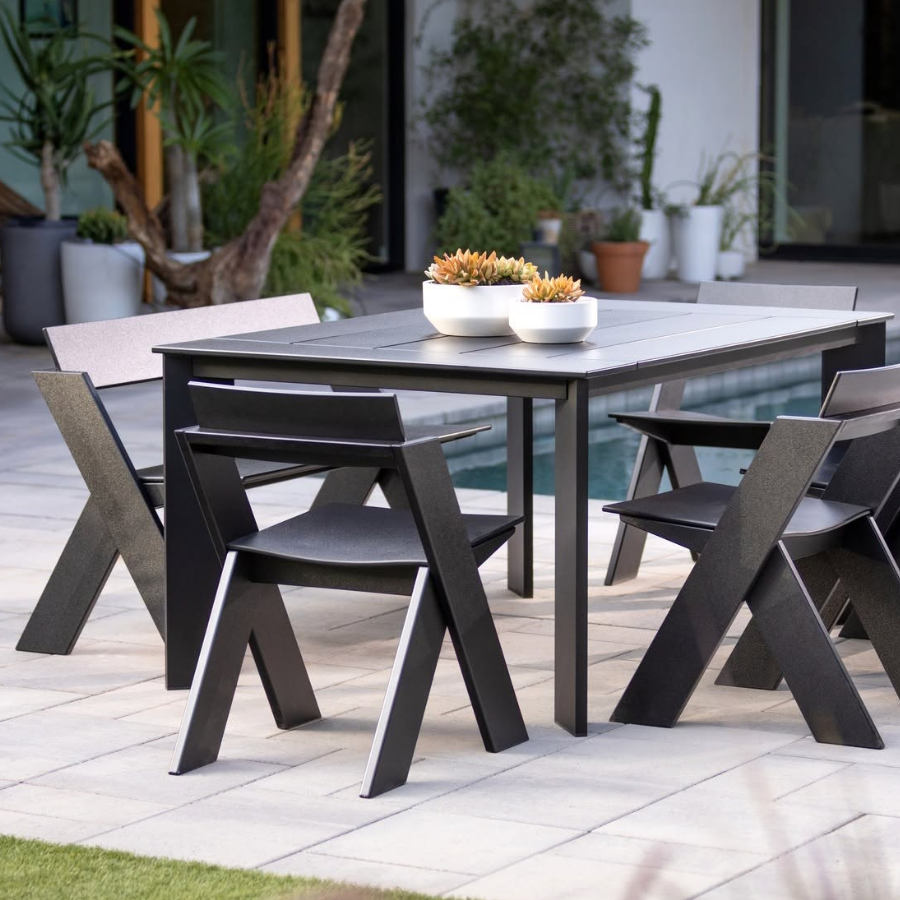
Made in Duluth, Minnesota, Loll doesn't just claim sustainability: they live it. Their pieces are primarily made from recycled single-use milk jugs with more than 135 million milk jugs recycled into furniture since 2005. Their process has earned them a TRUE Gold certification, a high-tier achievement given out by the Green Business Certification Inc., with more than 88% of their manufacturing waste recycled and a remarkable 97.4% waste diversion rate. Find out more about their process here.

Rowe Furniture
As a founding member of the Sustainable Forest Council, Rowe uses hardwood frames from sustainability managed domestic forests. Their woods contain no added formaldehyde and they only build with water-based, low-VOC glues. When it comes to their upholstery they offer recycled and upcycled options as well as PFAS-free fabric options. They are also sure to offer CertiPUR-US certified foam and conduct recycling and waste reduction programs.
It’s important when looking at a piece to consider the entire build and not just one sustainable feature that may make for a flashy headline. True sustainability runs through a company’s ethos at every step of production, not just when it might benefit sales.
5. Made in America
There are many sustainable operations across the world, but here at Urban Natural we make a point to focus on Made in America furniture in particular, so much so that highlighting Made in America is one of our core values. But what does it matter where something is made? Why do we care so much about USA made pieces? Well, there are a few reasons.

Buying Made in America furniture has several benefits:
- The US has more manufacturing transparency than many other furniture producers
- Your purchase goes towards supporting skilled American craftspeople
- Shorter supply chains in some cases
- Knowing where your furniture comes from
- Stocking American made also allows us to maintain closer relationships with manufacturers
Shop American Made
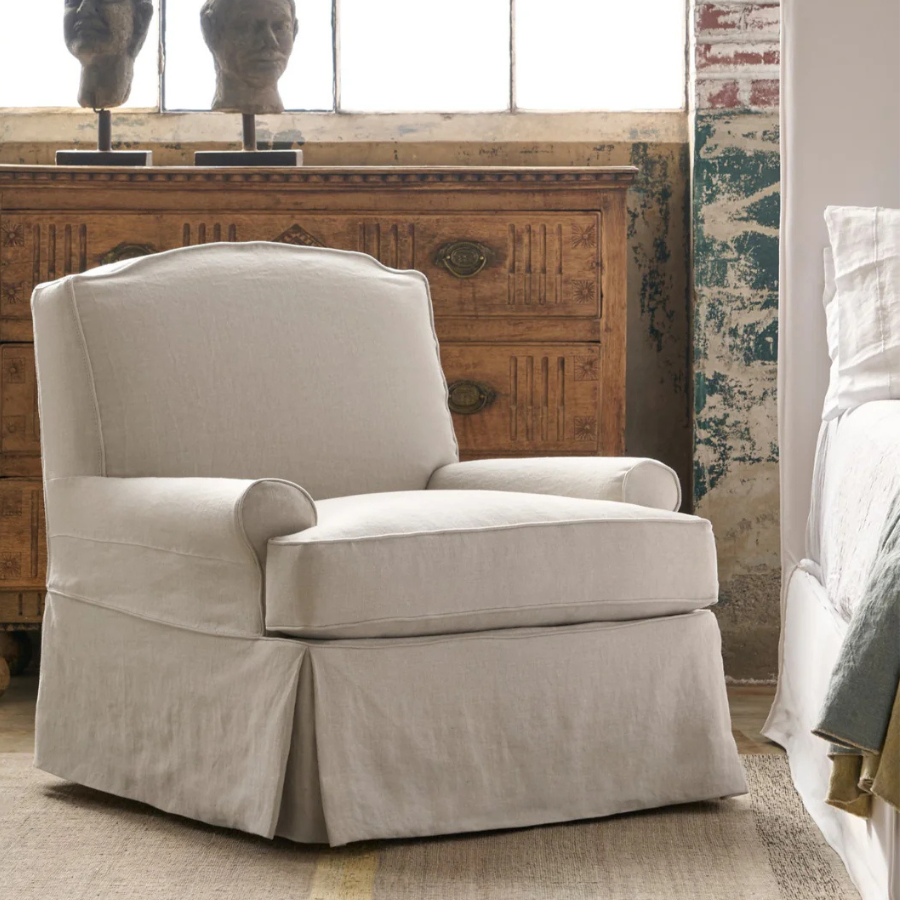
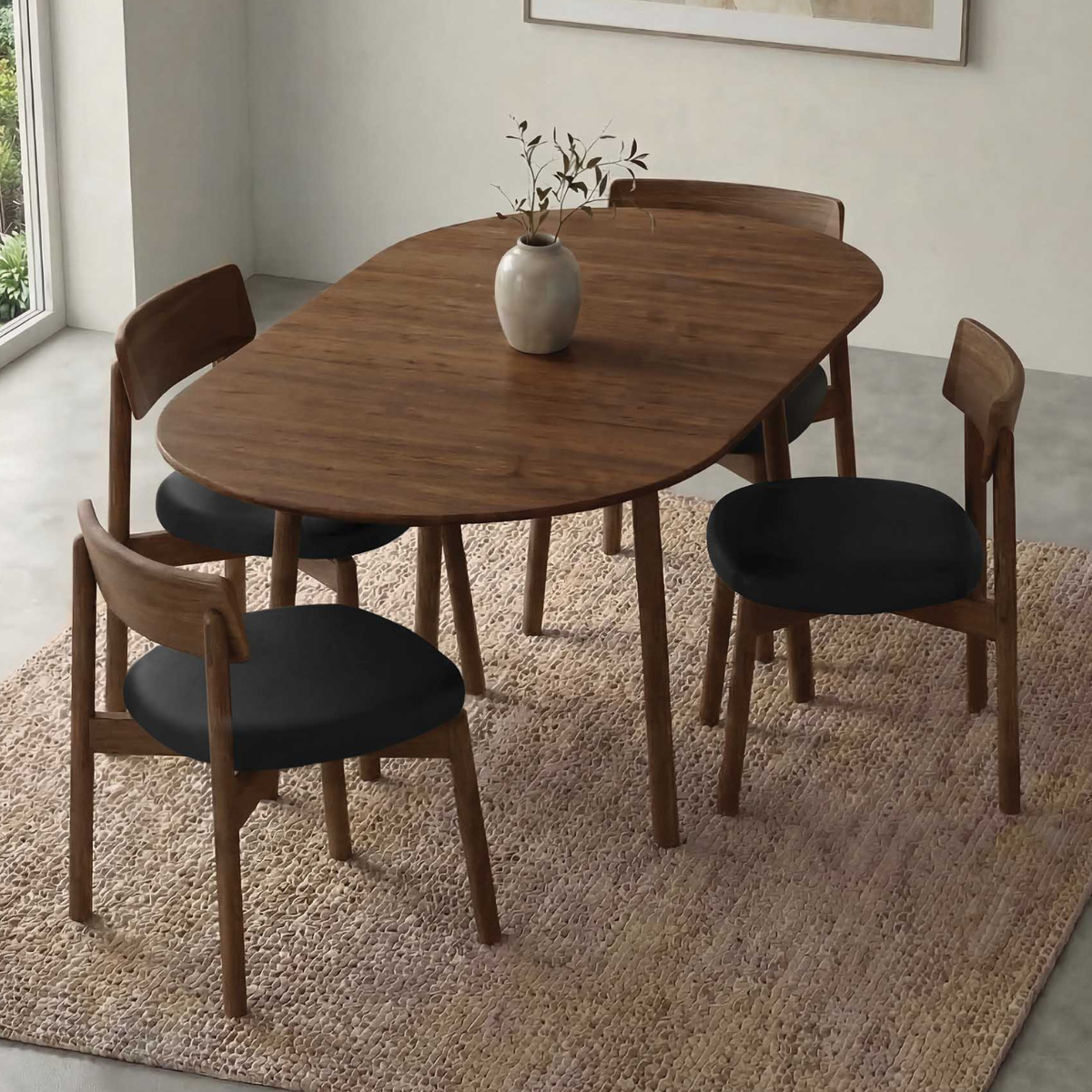
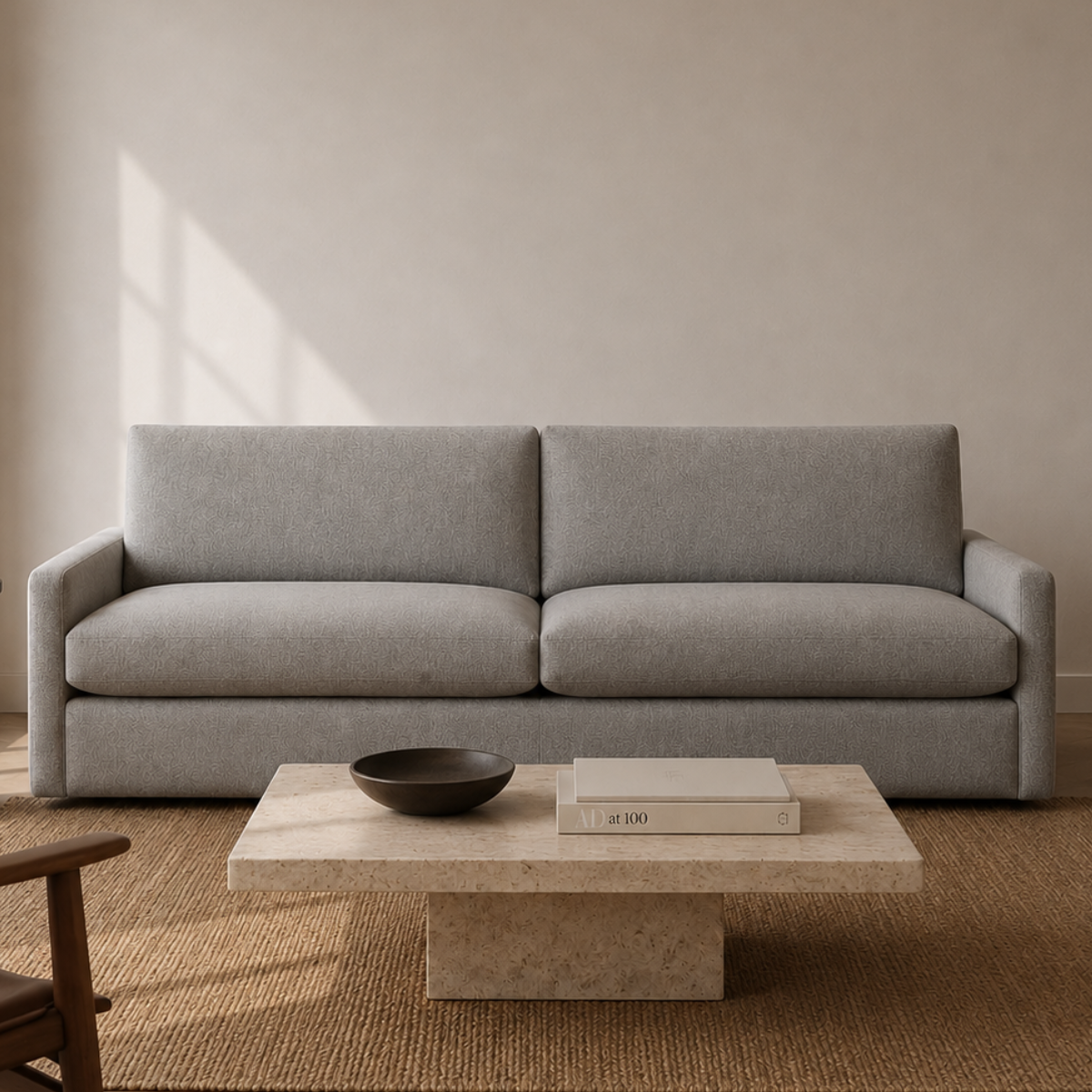

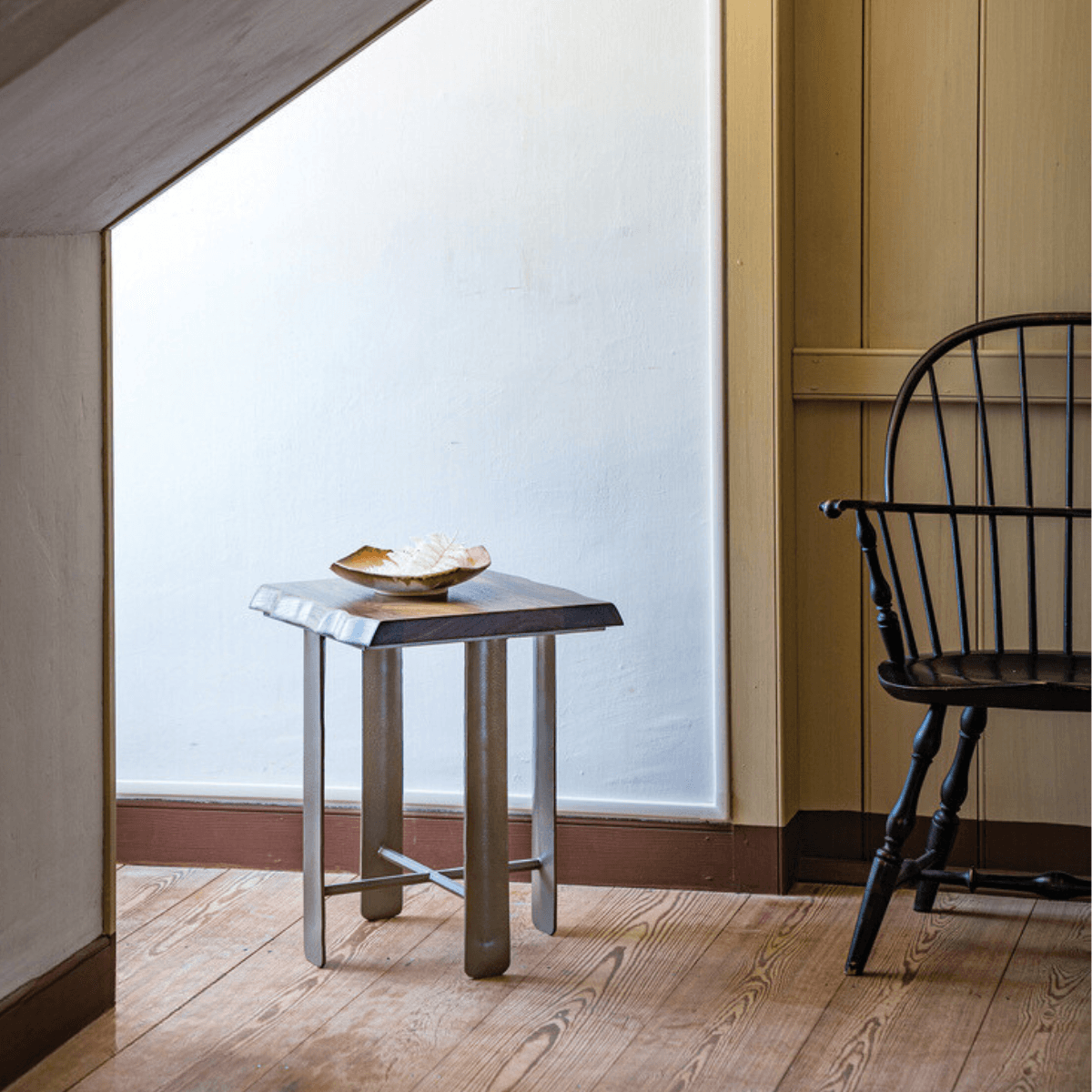

American Leather
American Leather is a member of the Sustainable Furnishings Council because of their commitment to using wood from sustainable forests, engaging in scrap wood recycling, only using water-based leather pigments and offering 25 environmentally friendly, biodegradable leathers made through natural, chrome-free processes.
How to Spot Greenwashing
Greenwashing is easy to spot if you know what to look for. Here are some Red Flags and what to look for instead.

Red Flag
“Eco-friendly” with no explanation.

Look For
Specific materials, sourcing details, certifications and manufacturing information.
Red Flag
One sustainable feature used to describe the whole product.
Look For
Information about the full construction and manufacturing process.
Red Flag
No information about where furniture is made.
Look For
Manufacturers that disclose factory locations and production methods.
Red Flag
Claims without evidence.
Look For
Specific facts, numbers and certifications.
Red Flag
Furniture designed to be replaced quickly.
Look For
Durable construction and long-term use.
The Urban Natural Home Standard
We have built our business around 5 core values, which are central to everything that we do.

We proudly support American furniture makers and craftspeople.

We prioritize organic and natural material options where available.

We look at sourcing, manufacturing, waste reduction, materials and durability.

We look for makers that are transparent about where materials come from.

We value skilled craftsmanship and furniture made for long-term use.

5 Questions to Ask Before Buying Sustainable Furniture
- Where were the materials sourced?
- What is actually inside the furniture?
- Where and how was it manufactured?
- What evidence supports its sustainability claims?
- Is it made well enough to last?
Choose Furniture with Confidence
You don’t need to become a sustainability expert to be able to recognize greenwashing and take steps to make sure the furniture you buy meets the standards you want to uphold. You just need to know to ask the right questions and take the time to find companies that will provide you with real, transparent information about their processes, materials, and supply chains. Whatever you do, we’re here to help. A more sustainable home starts with knowing the story behind what you bring into it.

Have Questions? Ask Our Product Experts
Choosing furniture made with the materials and standards that matter to you can come with a lot of questions. Our product experts can help you understand materials, construction, certifications, sourcing, and where and how a piece is made.